
APF Welcomes Sue Berry as New Chief Executive Officer
The Animal Protective Foundation is pleased to welcome Sue Berry, CAWA, as our new Chief Executive Officer.Sue officially begins her role with APF today, September 14, bringing more than two...
Read more
The Real Cost of Caring for a Shelter Animal
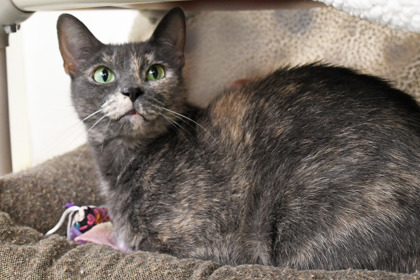
When you see an animal available for adoption at the Animal Protective Foundation, you’re seeing them at one moment in their journey. What you don’t always see are the days, weeks or sometimes...
Read more
August Is Here... and There's So Much to Look Forward To!
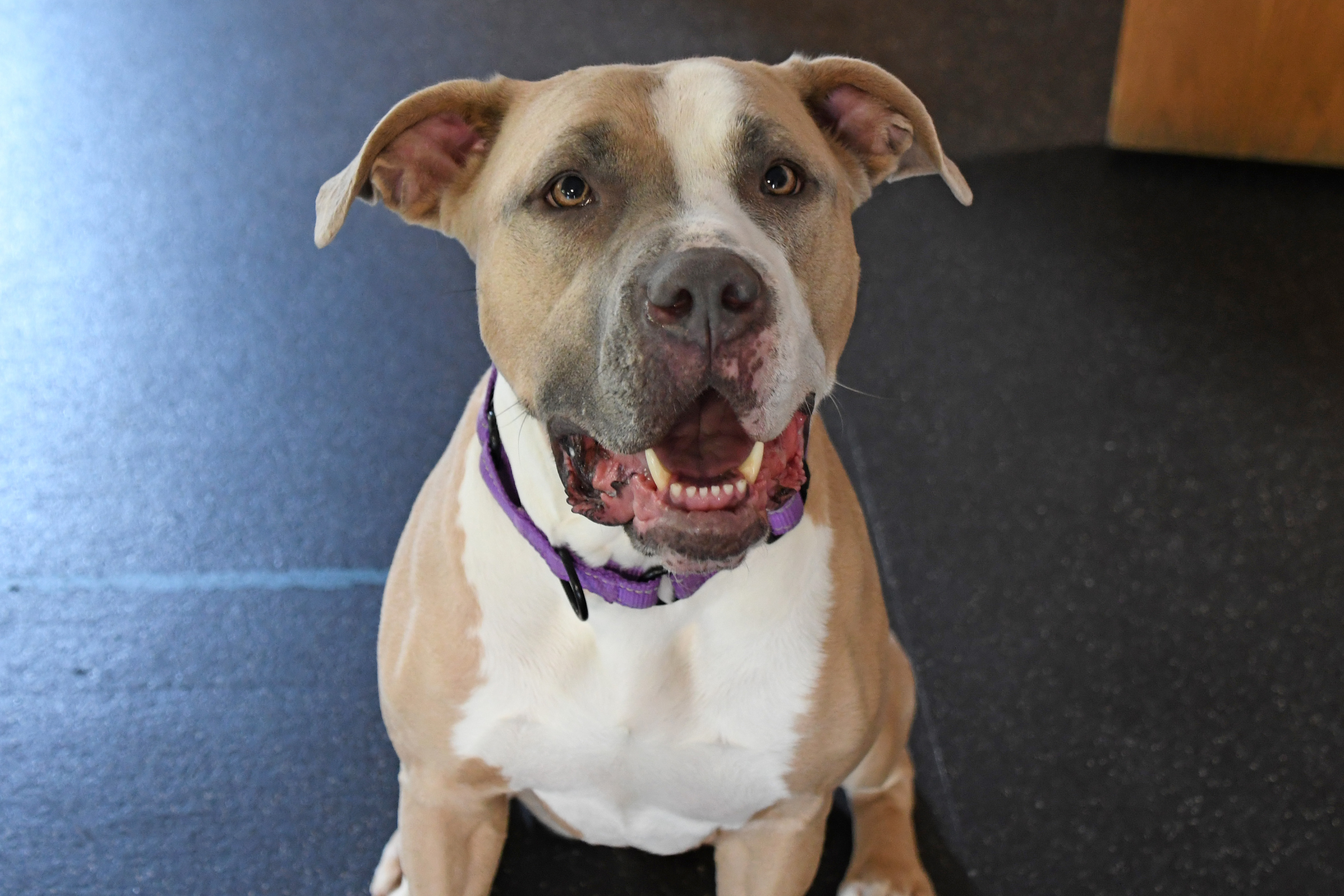
August is shaping up to be an exciting month at the Animal Protective Foundation, and we can't wait to share it with you! From celebrating a major milestone to helping more pets find loving homes,...
Read more
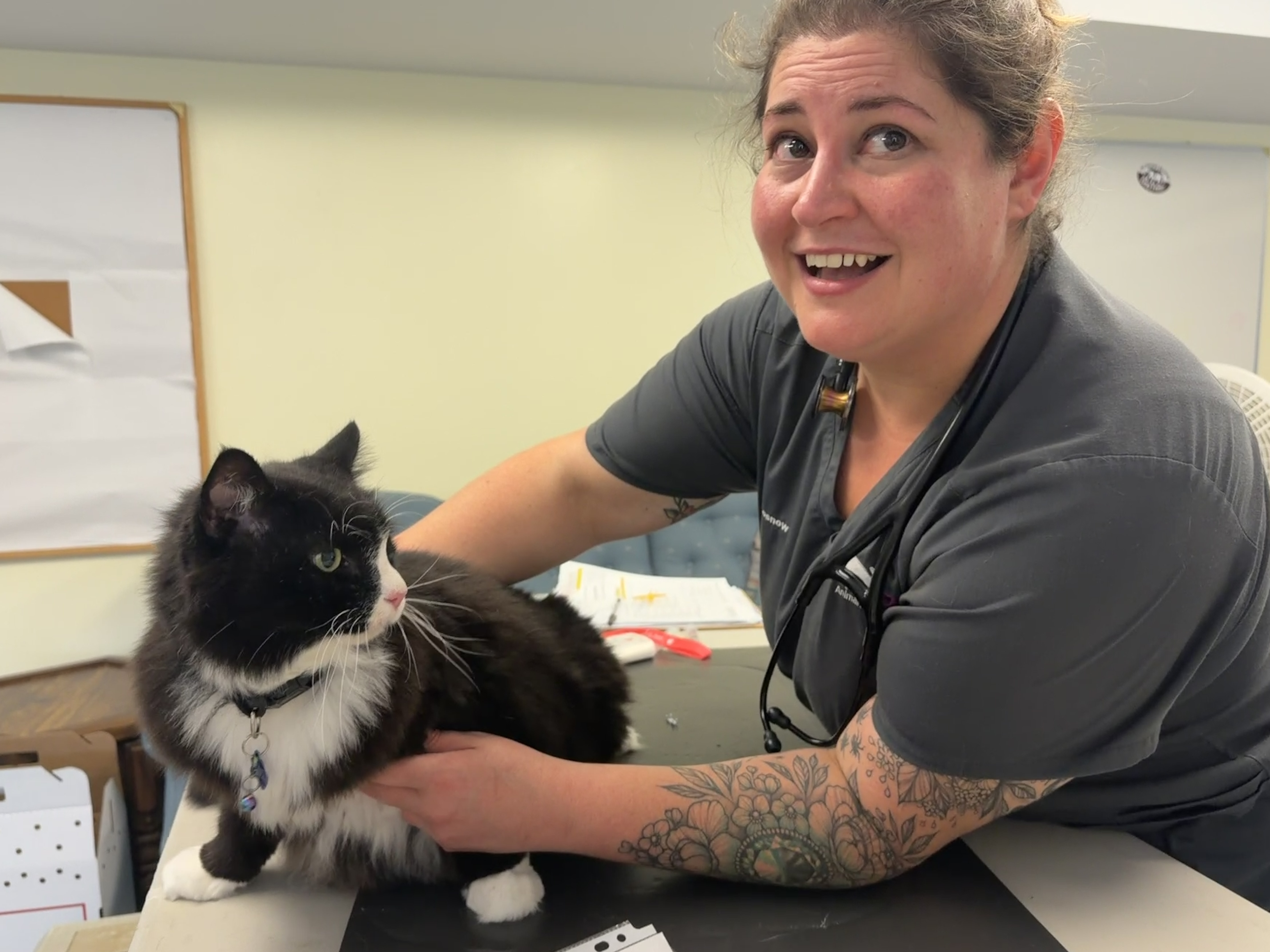
67 Cats Cared For at Our Cats-Only July Wellness Clinic
Thanks to the incredible support of our staff, volunteers, and veterinary partners, the Animal Protective Foundation's recent Cats-Only Wellness Clinic at Lisha Kill Reformed Church was another...
Read more
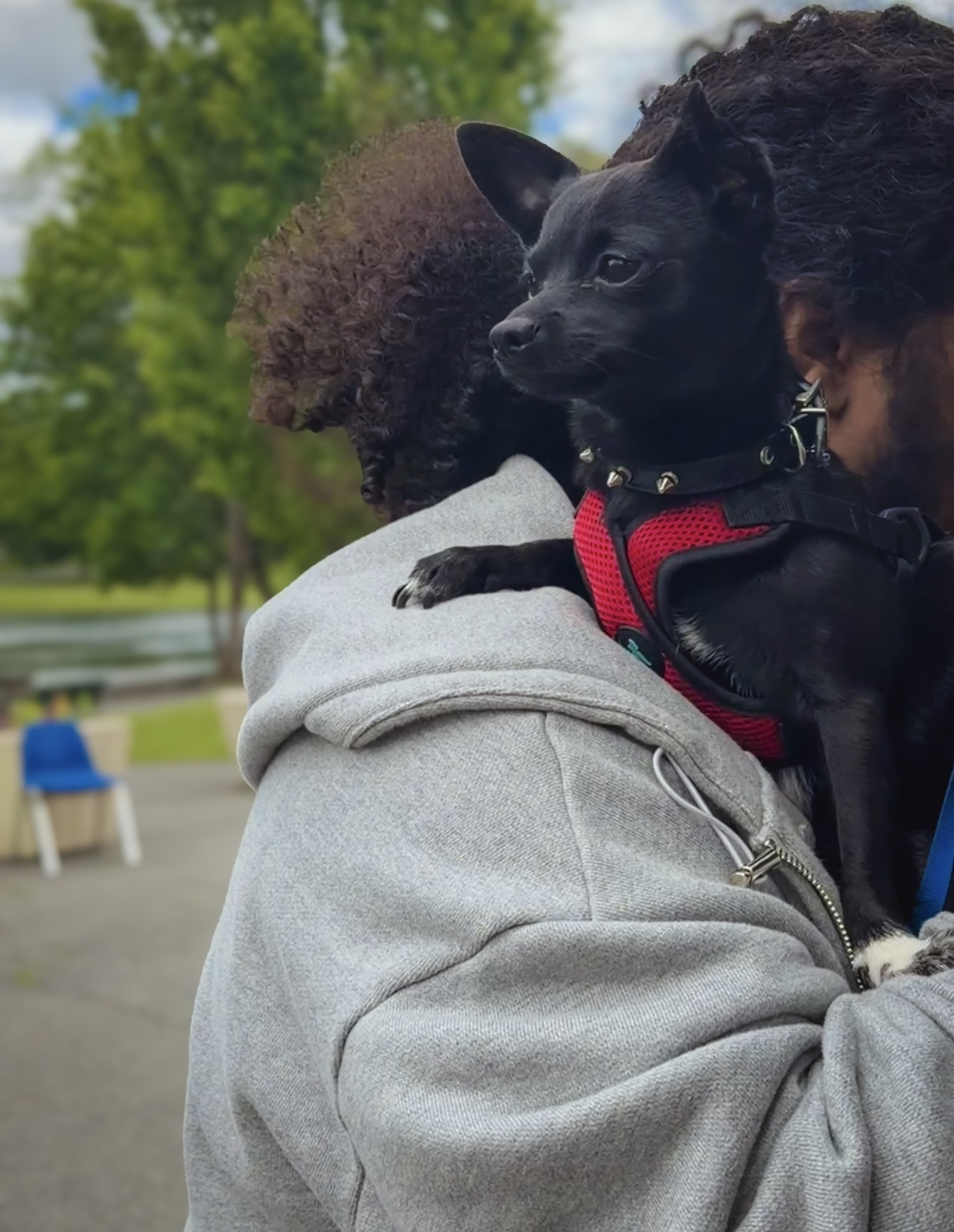
Caring for Pets, Strengthening Communities: A Look Back at Our June Wellness Clinic
On June 15, 2026, the Animal Protective Foundation (APF) hosted our latest Community Pet Wellness Clinic at Steinmetz Park in Schenectady. Despite being short-staffed and limiting services to pre...
Read more
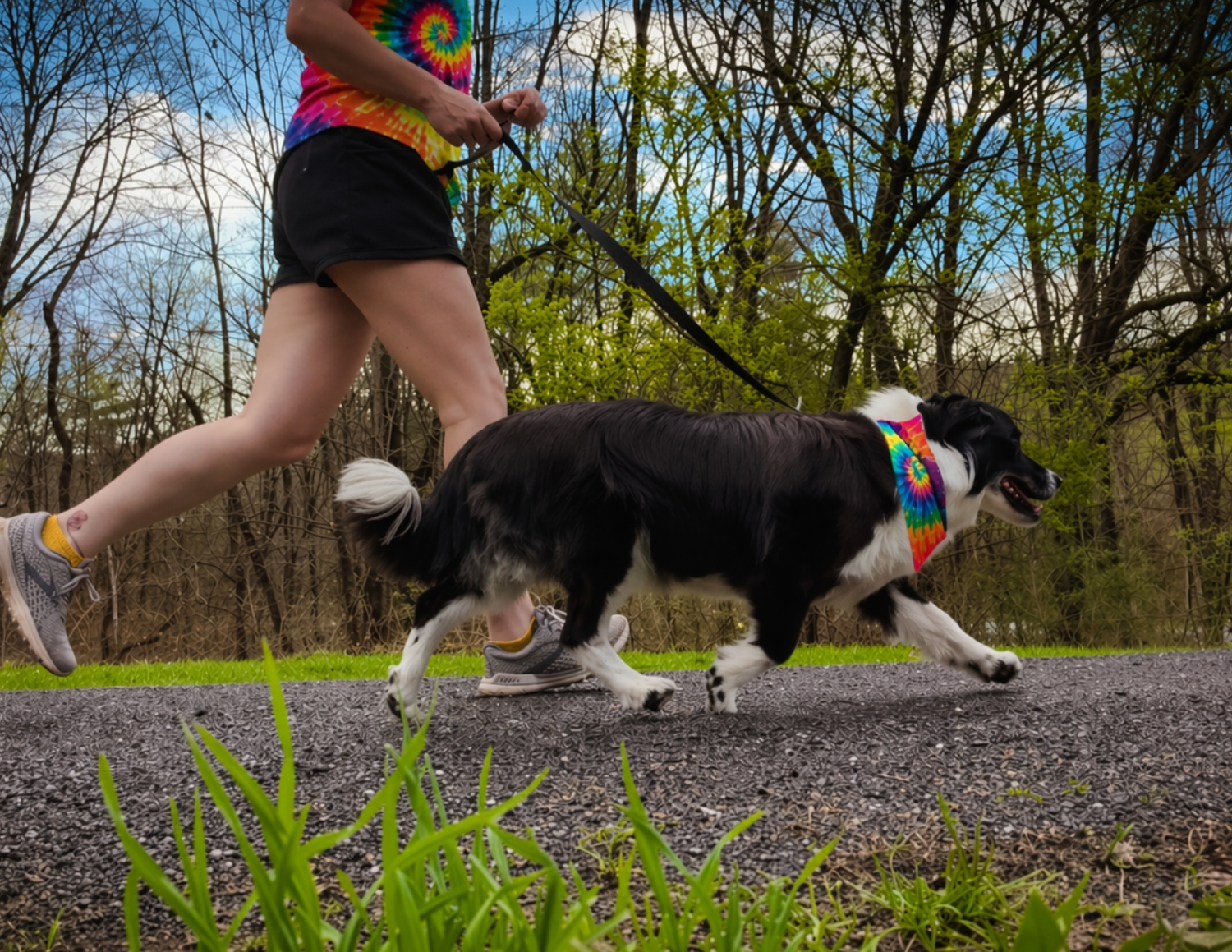
Why Dog-Friendly Festivals Like Woofstock Matter
Across the Capital Region, animal lovers share something powerful in common: a deep commitment to the wellbeing of the pets and animals that make our communities brighter. Events like Woofstock,...
Read more
Celebrating the Hearts That Nurture
Read more
Last Chance to Shine: Your Pet’s Moment in the Spotlight is Almost Here
Time is running out—and we mean it.The Animal Protective Foundation’s 2027 Pet Calendar Photo Contest is officially in its final week, and this is your last opportunity to get your pet in the...
Read more
Community Pet Wellness Clinic Recap
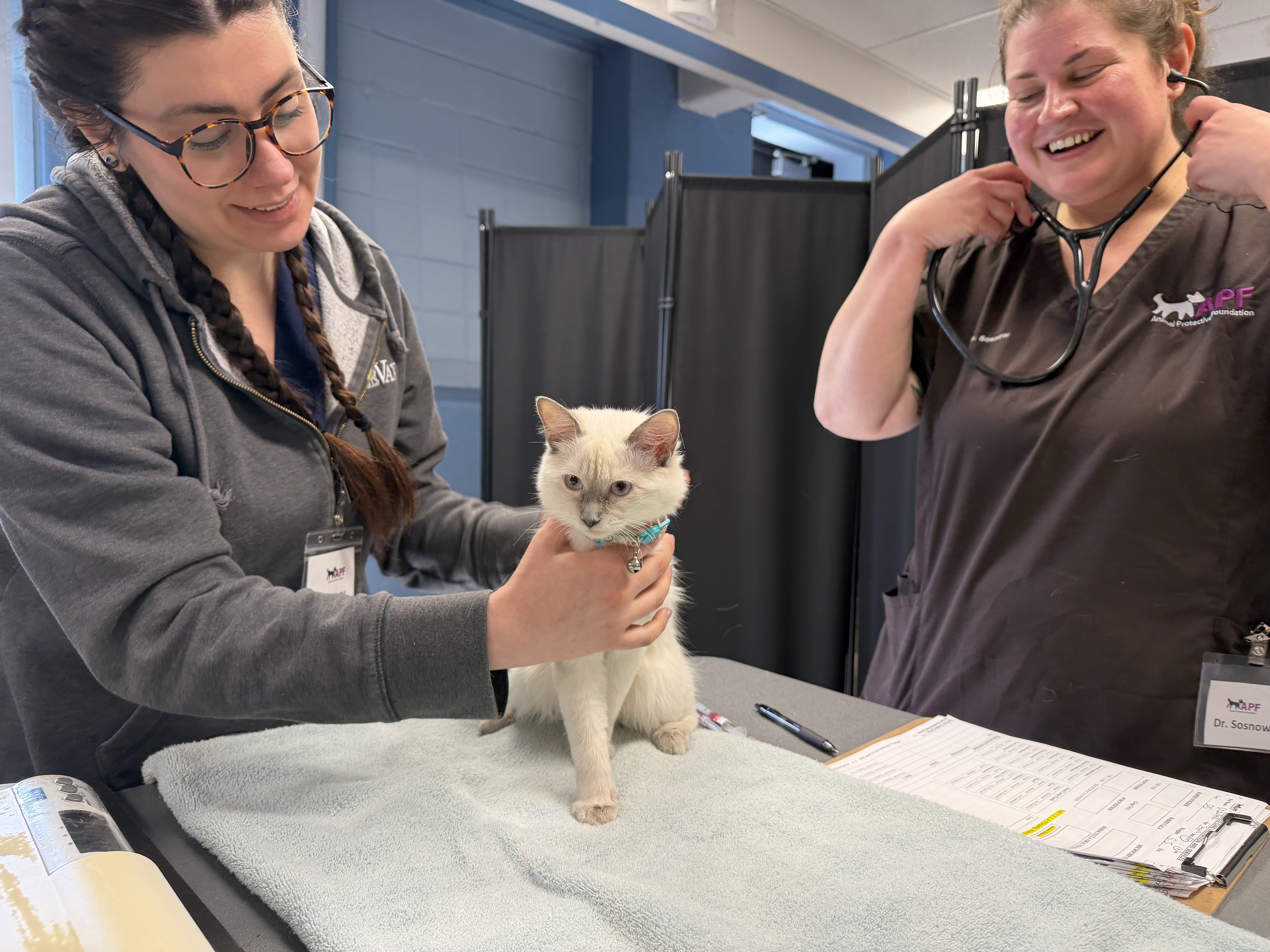
While students were enjoying spring break, our team was hard at work caring for the community’s cats at Lincoln Elementary Community School. With the help of two dedicated veterinarians, we...
Read more
Blog Training Tips for Running the Woofstock 5K with your Dog
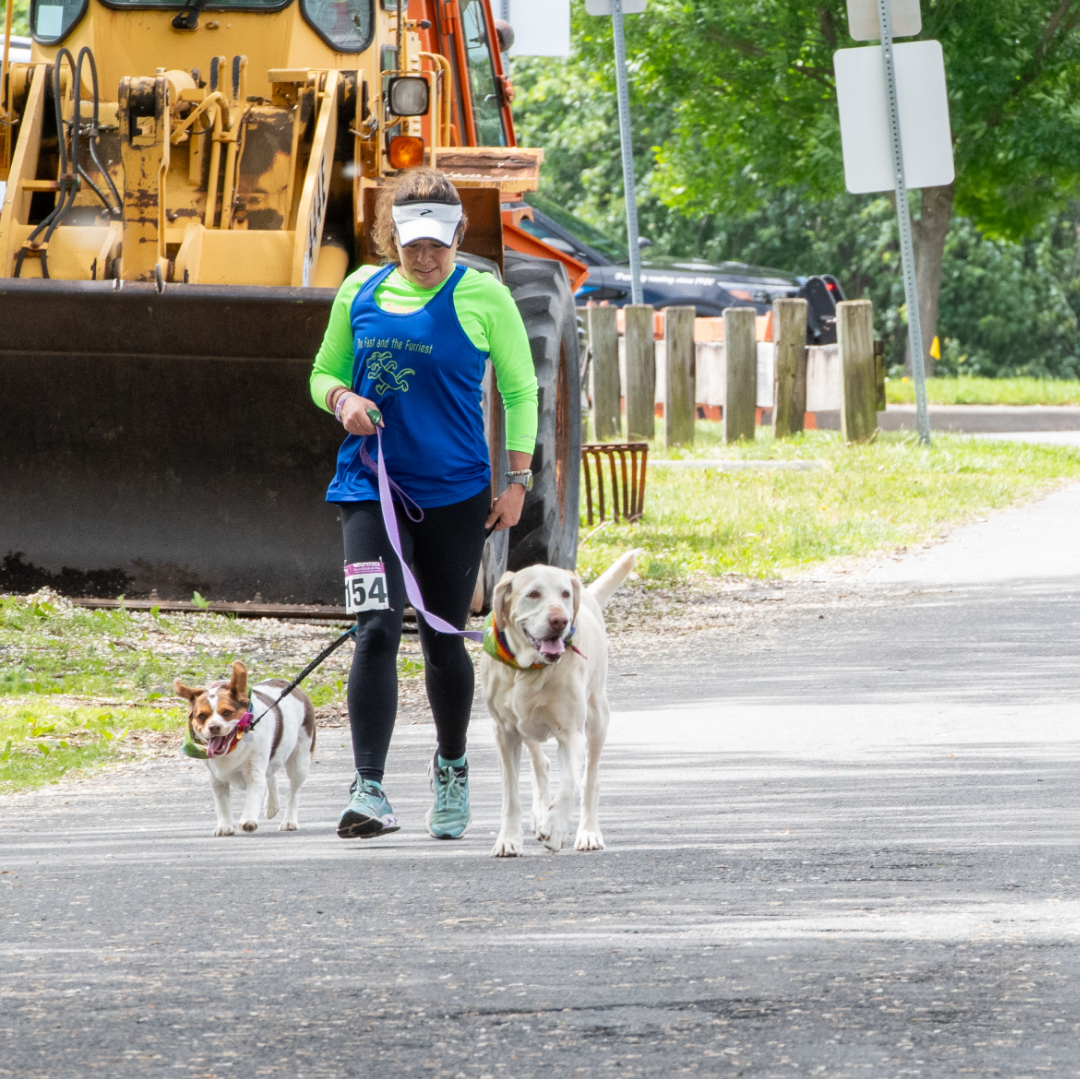
Woofstock is more than just a run—it’s a celebration of community, music, and the incredible bond between people and their pets. If you’re planning to take on the Woofstock 5K with your dog, a...
Read more
Myth-Busting Shelter Animals: What Healing Really Looks Like
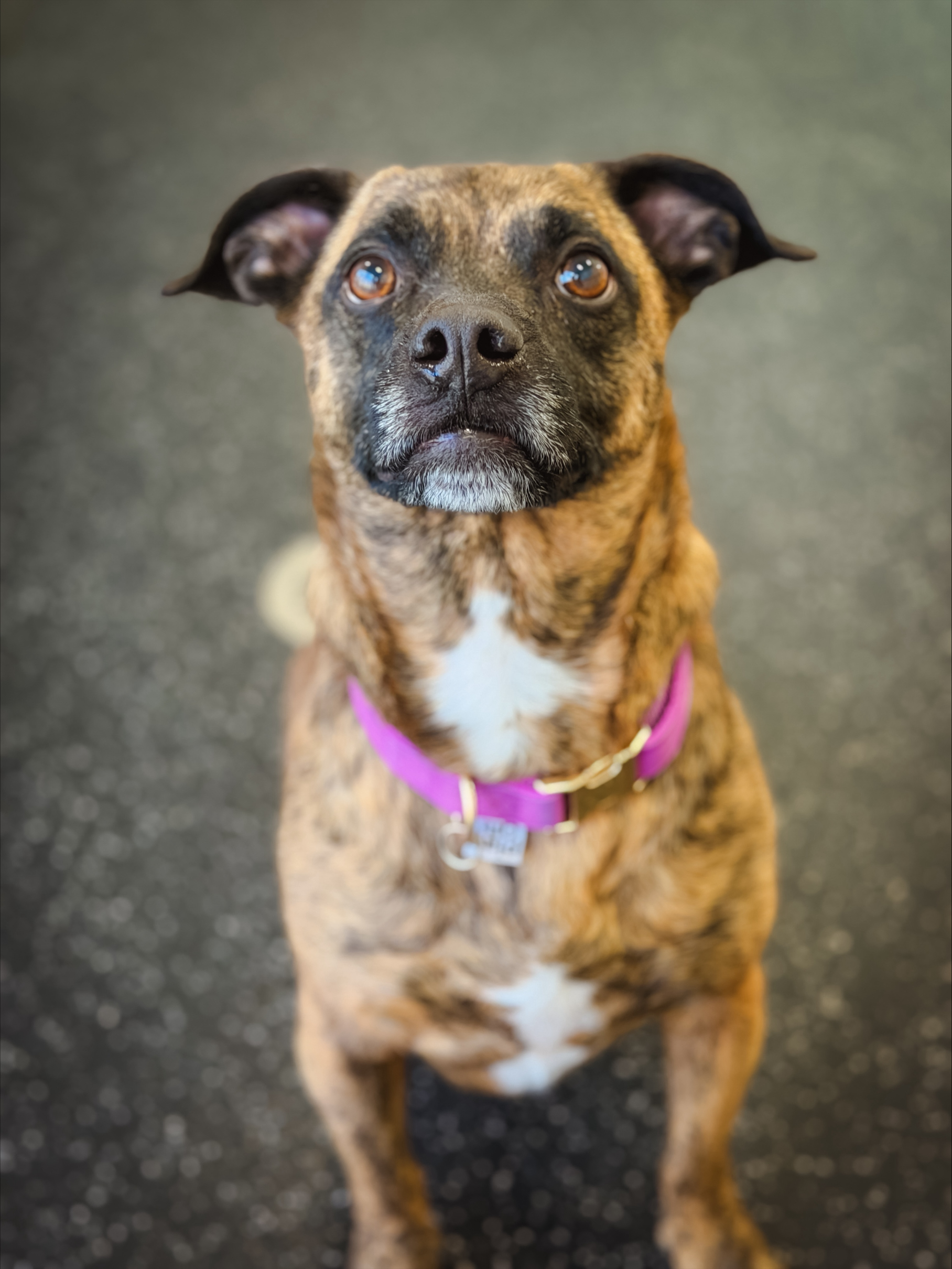
When people think about shelter animals, a number of assumptions tend to surface. Some believe these animals must have behavioral issues, while others assume they are older, harder to train, or...
Read more
Community Clinic Wellness Recap
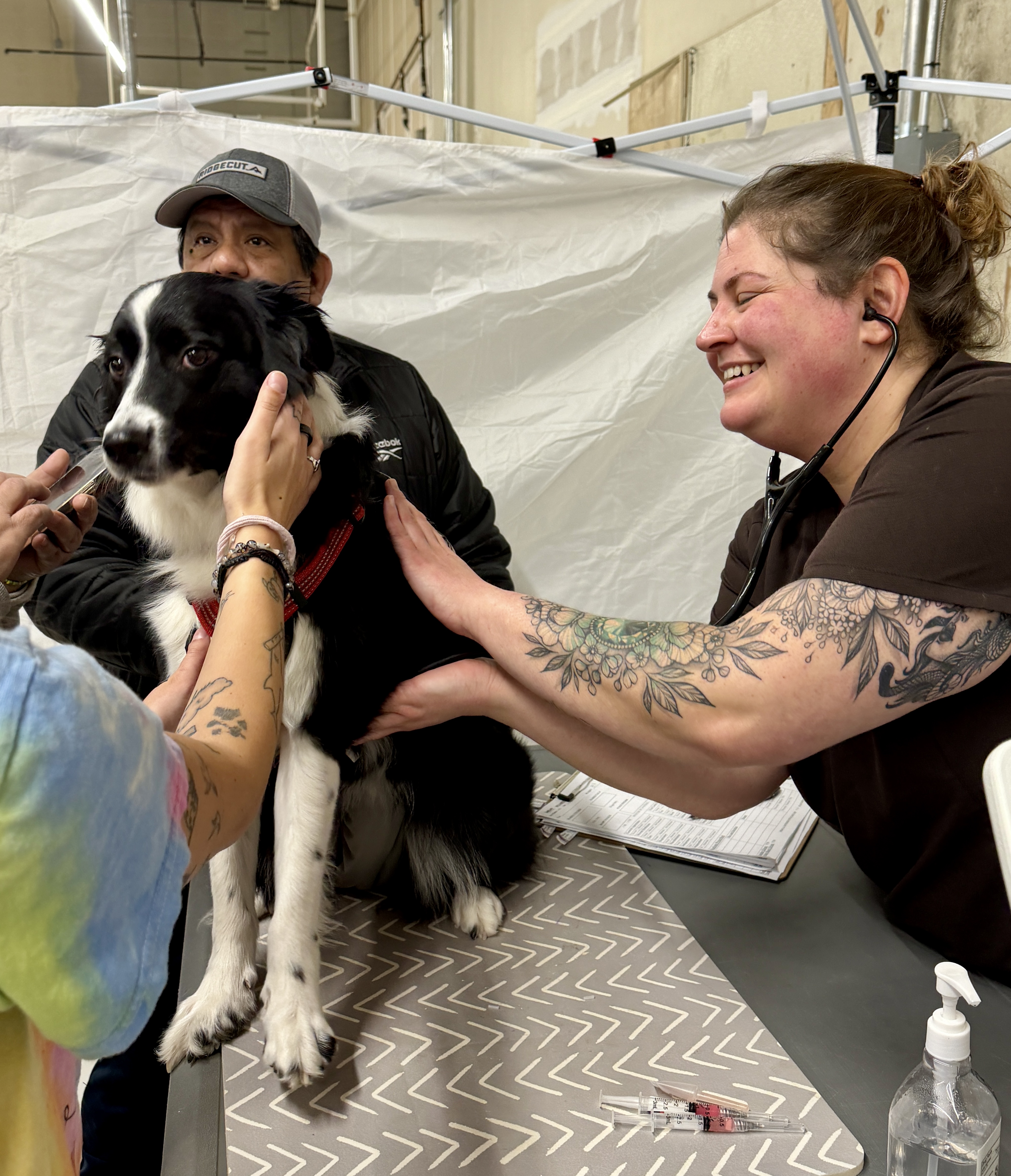
At our most recent Community Pet Wellness Clinic we provided care to 62 dogs. Our free pet wellness clinics are a great opportunity for members of our community who are struggling financially to...
Read more
March Pet Care Checklist: Preparing Your Pet for Spring
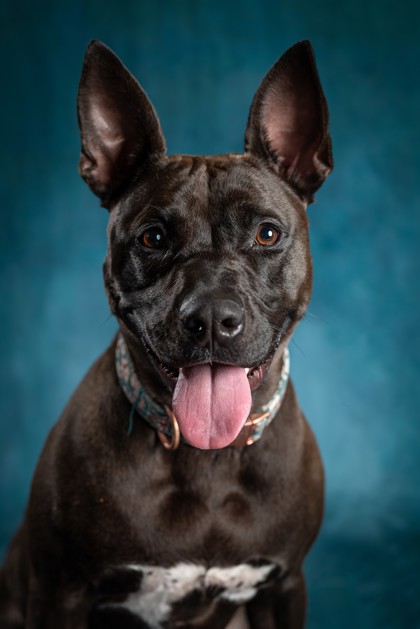
As the snow begins to melt and the days slowly grow longer, March brings a welcome shift toward spring. While we’re opening windows and thinking about fresh starts, it’s also the perfect time to...
Read more
Safe, Thankful, & Together: A Pet Parent’s Thanksgiving Guide
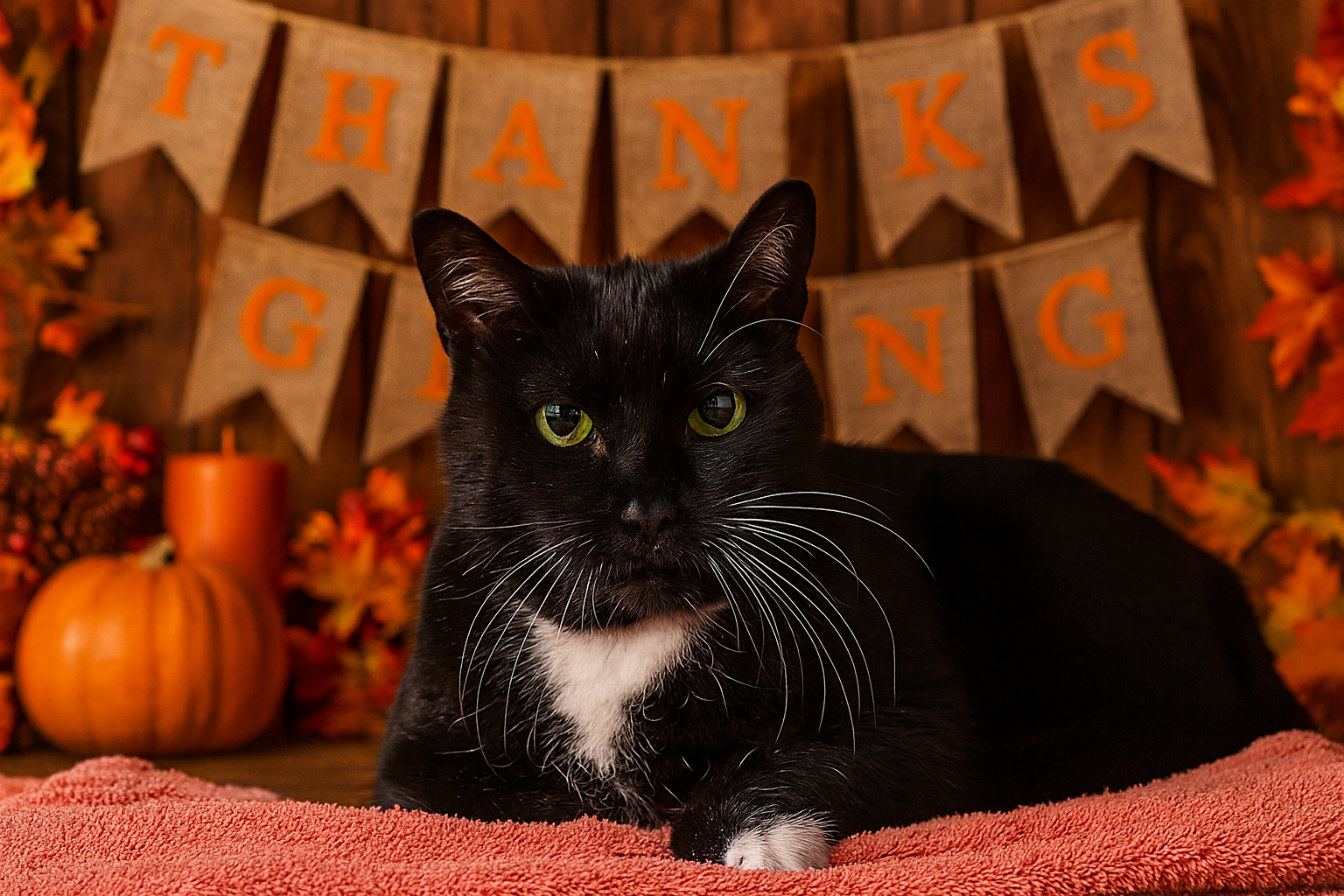
Dear Friends,Thanksgiving is a time for gratitude, gathering, and great food—but some holiday traditions can be risky for our pets. With a little planning, you can keep them safe and make them feel...
Read more
Please Support the APF’s Holiday Community Pet Food Pantry Drive
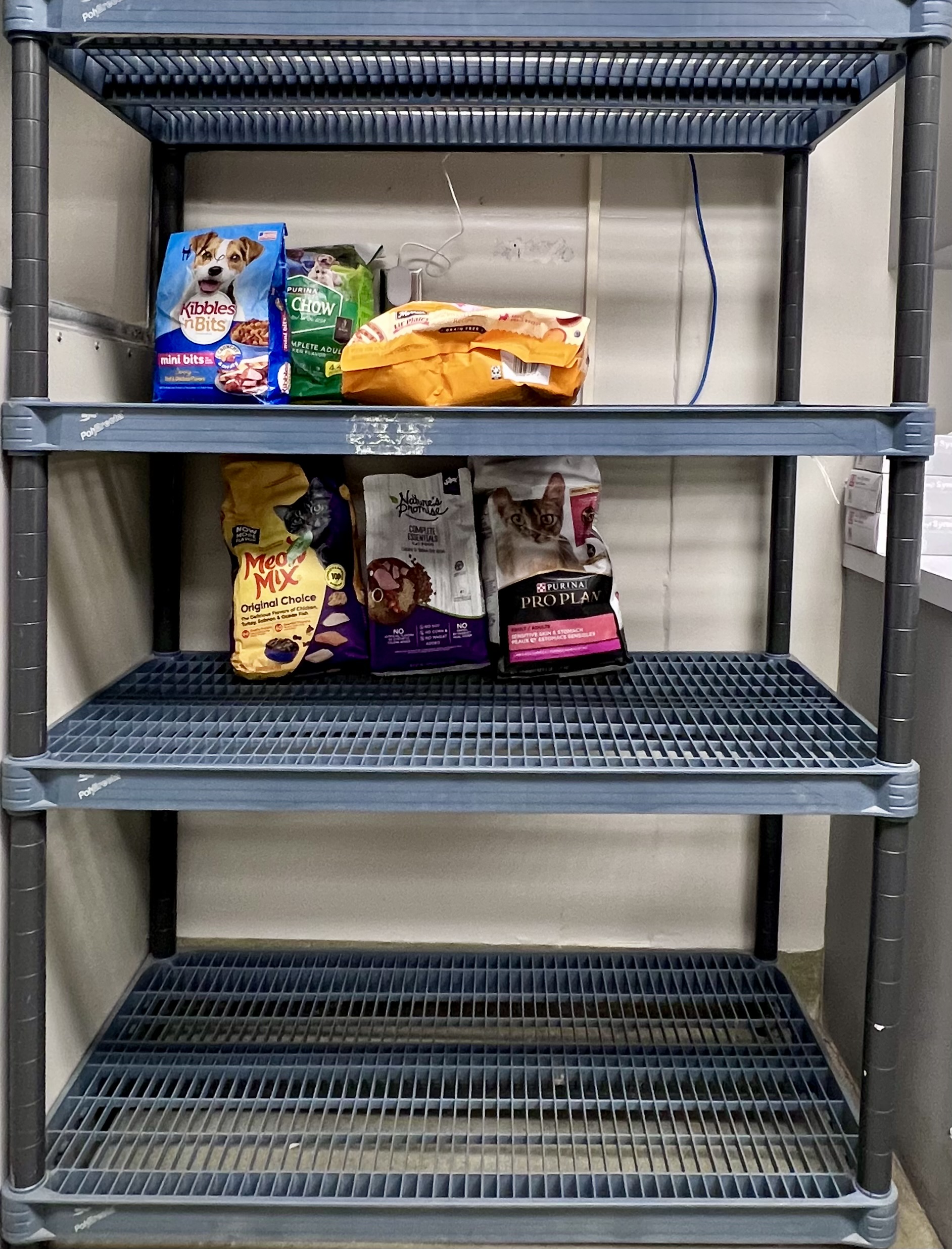
At the Animal Protective Foundation (APF), we are committed to keeping pets with the people who love them, including those who have fallen onhard times due to losing a job or other unforeseen...
Read more
Celebrating Our Seniors: Meet Hotrod + Tips for Caring for Older Pets
Read more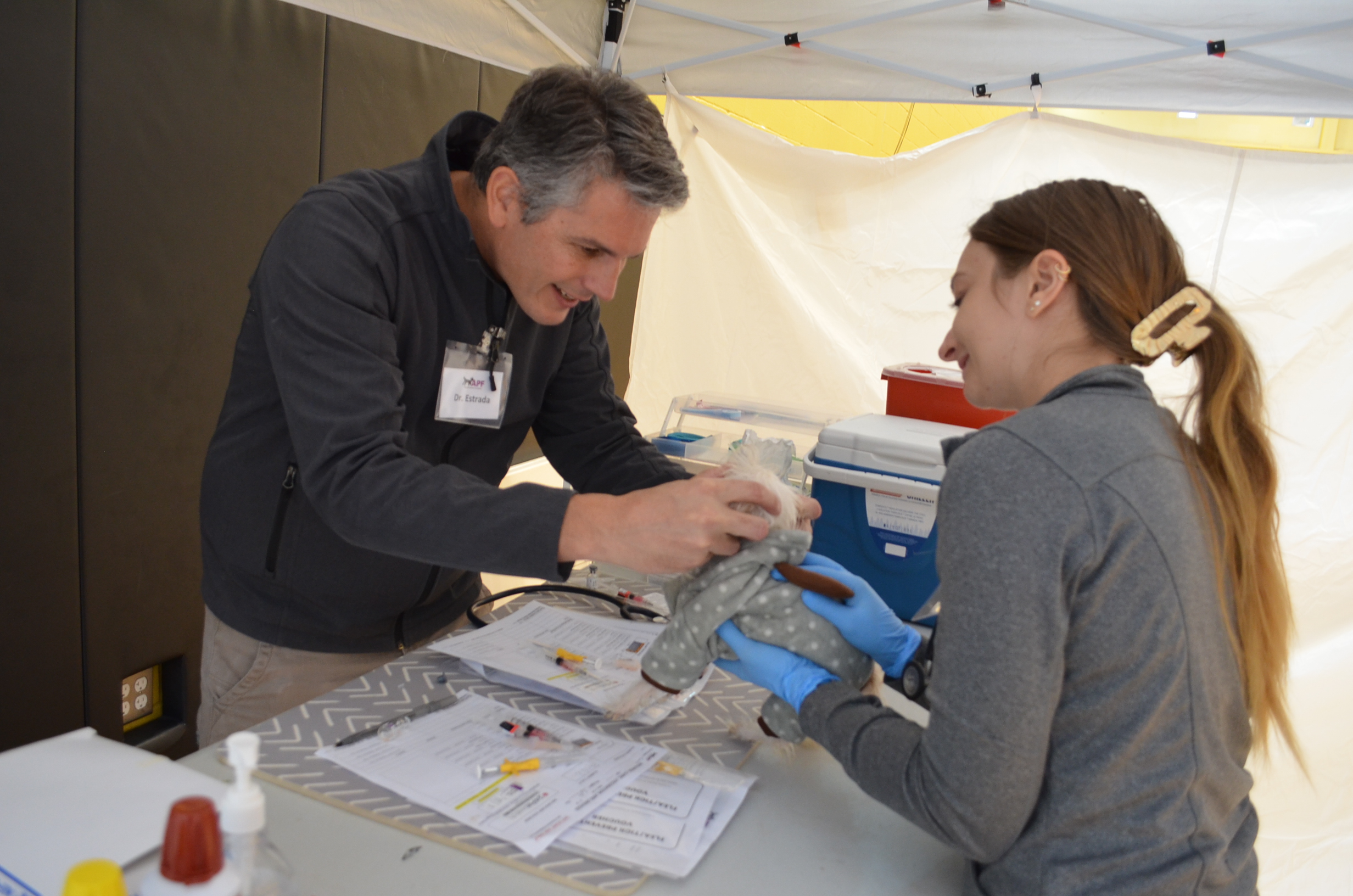
Community Pet Wellness Clinic Recap
At our most recent Community Pet Wellness Clinic we provided care to 94 dogs. Our free pet wellness clinics are a great opportunity for members of our community who are struggling financially to...
Read more
Community Pet Wellness Clinic Recap
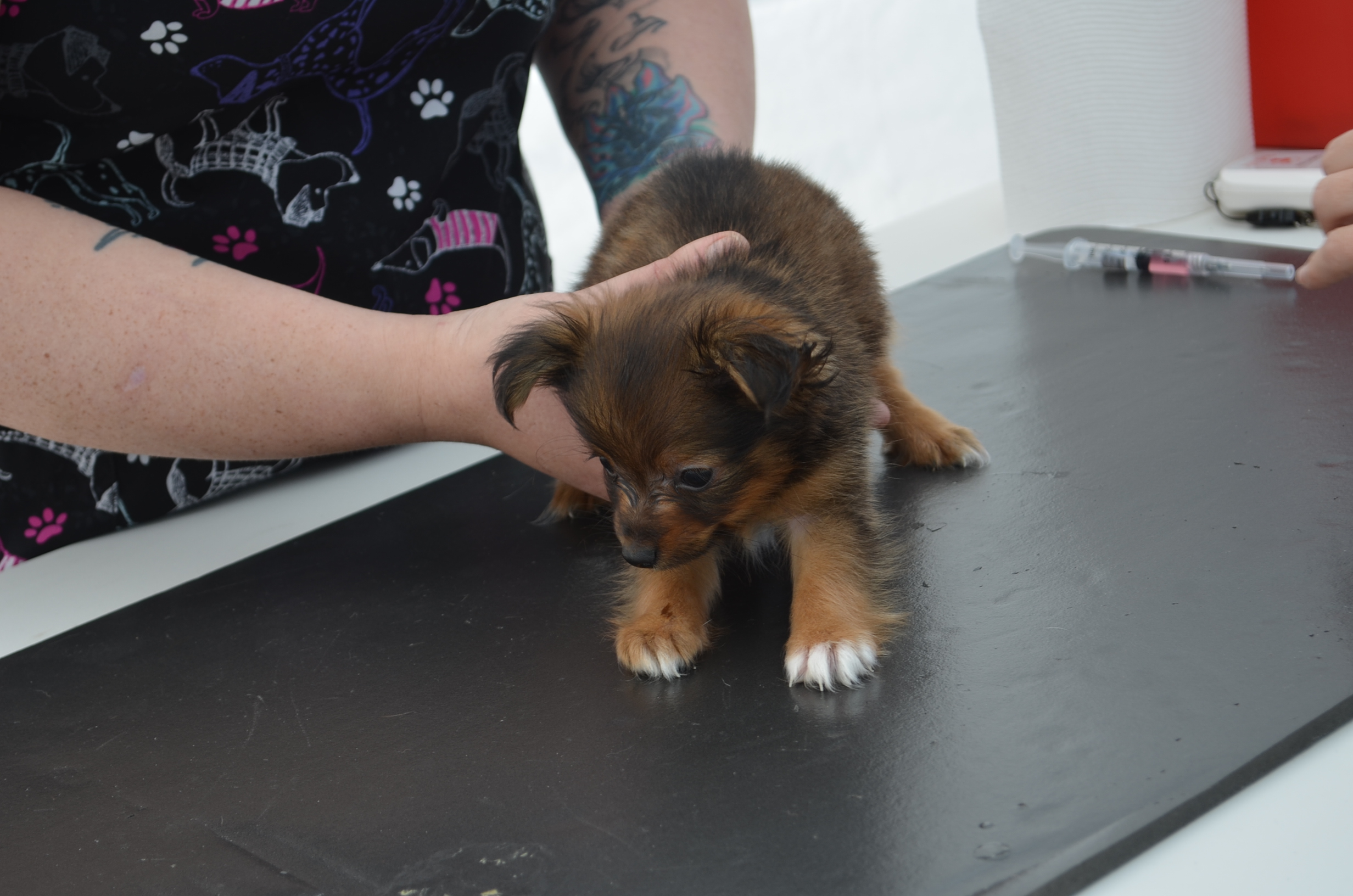
At our most recent Community Pet Wellness Clinic we provided care to 89 dogs. Our free pet wellness clinics are a great opportunity for members of our community who are struggling financially to...
Read more

Autumn Pet Safety Tips
Fall has officially arrived! This time of year is full of fun things like apple picking, pumpkin carving, leaf peeping and so much more. However there are also some aspects of autumn that can be...
Read more
Community Pet Wellness Clinic Recap
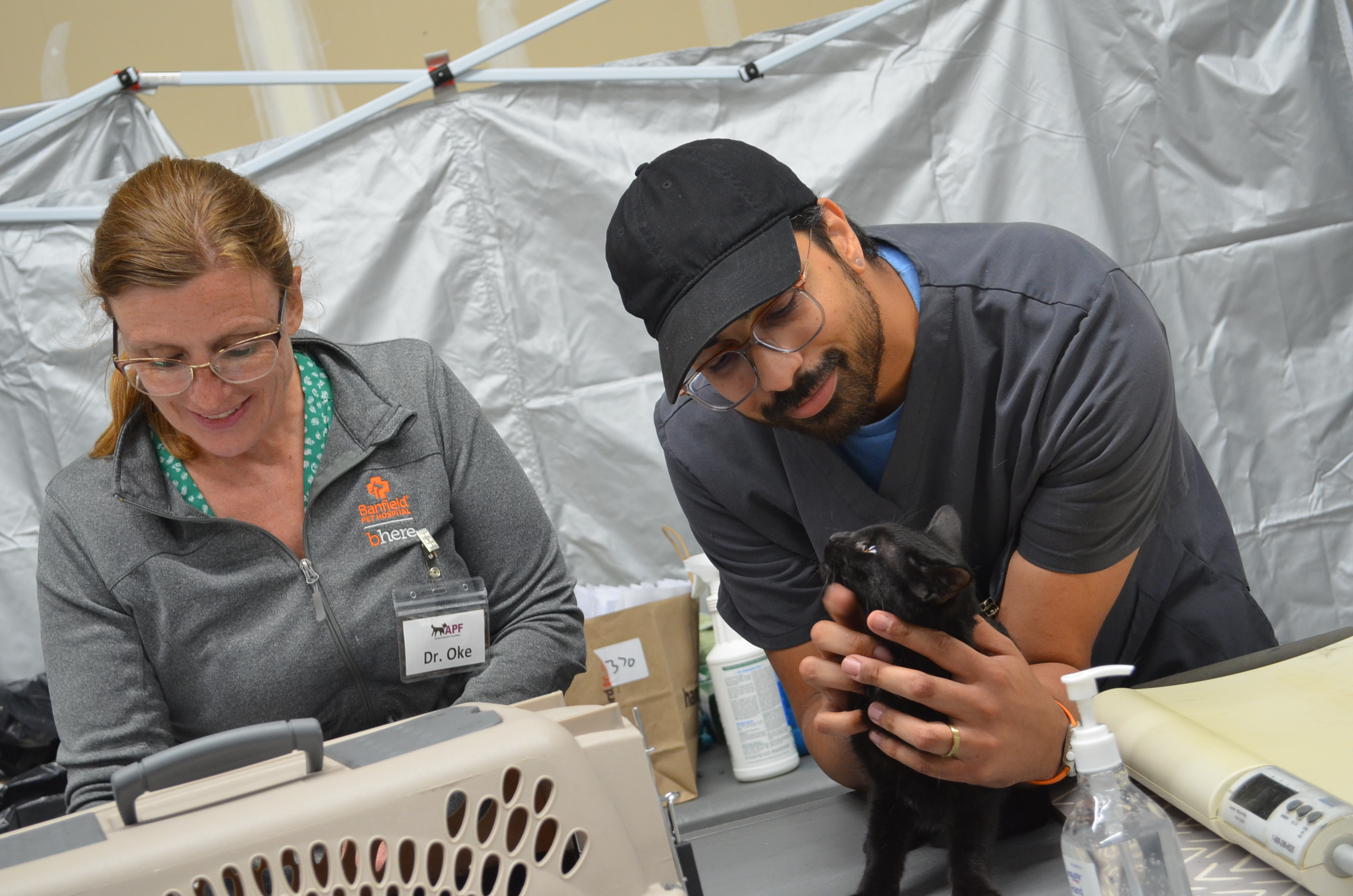
At our most recent Community Pet Wellness Clinic we provided care to 91 cats. Our free pet wellness clinics are a great opportunity for members of our community who are struggling financially to...
Read more
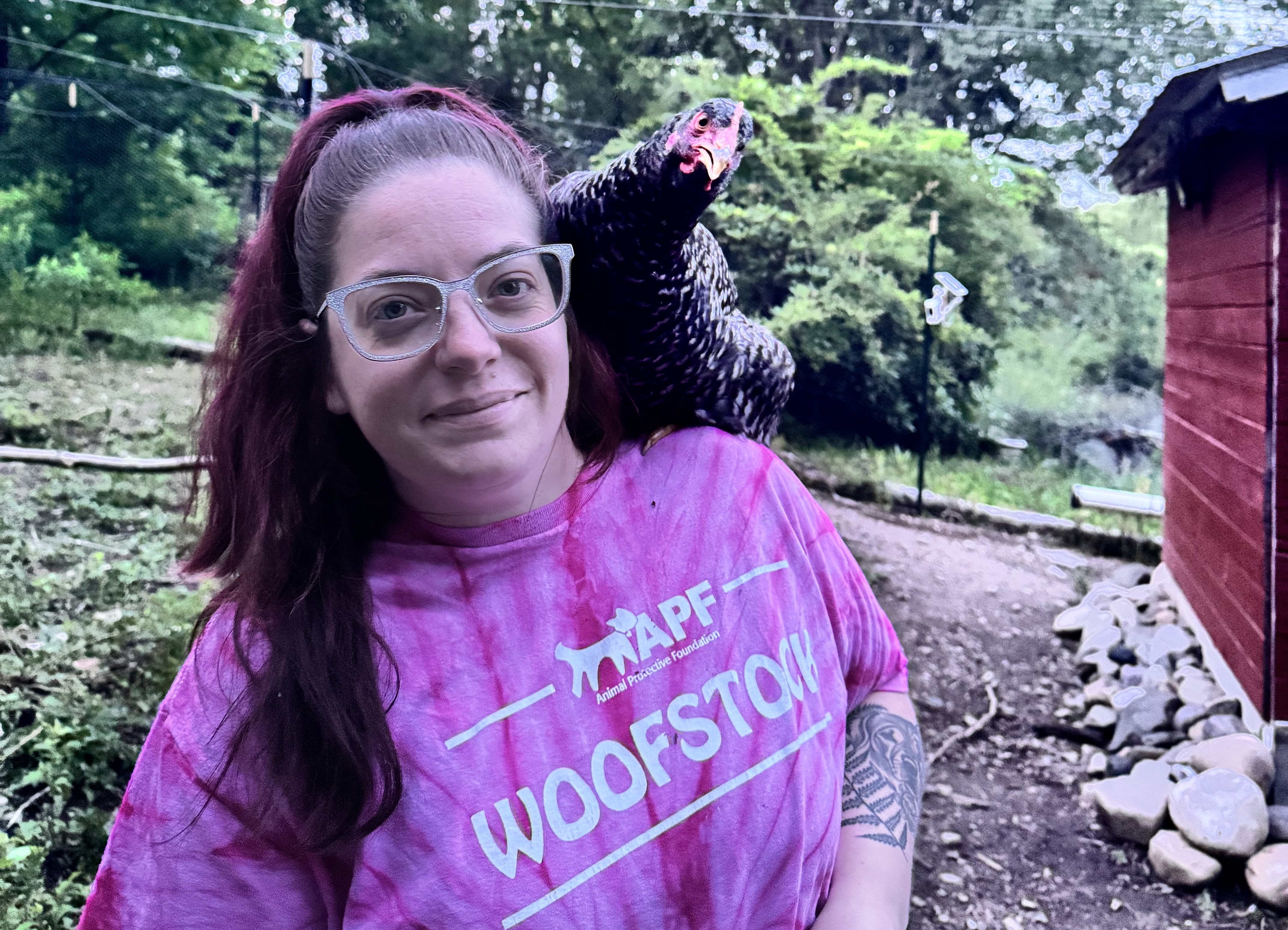
APF Staff Spotlight: Debra Jennings, Director of Shelter Operations
Meet Debra Jennings, Director of Shelter Operations at the Animal Protective Foundation. Debra has been with the APF for 4 years and we are so grateful to have her on our team! Tell us what you do...
Read more
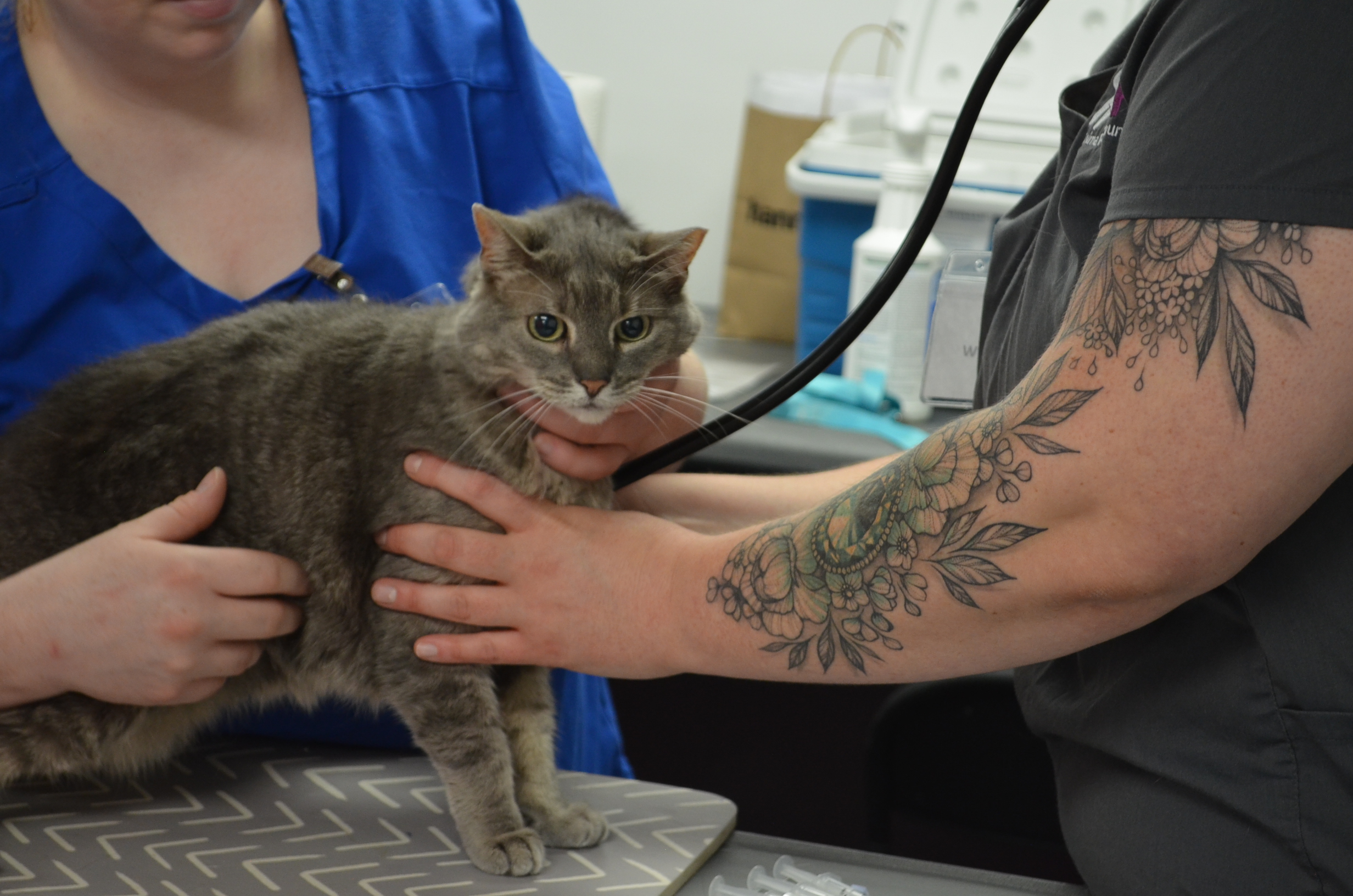
Community Pet Wellness Clinic Recap
At our most recent Community Pet Wellness Clinic we provided care to 62 cats. Our free pet wellness clinics are a great opportunity for members of our community to take advantage of free and/or low...
Read more

4th of July Pet Safety Tips
It’s almost Independence Day! The 4th of July is synonymous with BBQs, fireworks, swimming and other summer fun activities. However it is important to consider your pets as you celebrate. This day...
Read more

10 Tips for Traveling with Your Pet
Summer is here and that means road trips, vacations and adventures! Is your pet traveling with you this summer? Before you embark on your trip, it’s important to think about how you will keep your...
Read more

APF Staff Spotlight: Dr. Sara Sosnow, Veterinary Medical Director
Meet Dr. Sara Sosnow, Veterinary Medical Director at the Animal Protective Foundation. Dr. Sosnow has been with the APF for 1.5 years and we are so thankful to have her on our team! Tell us what...
Read more
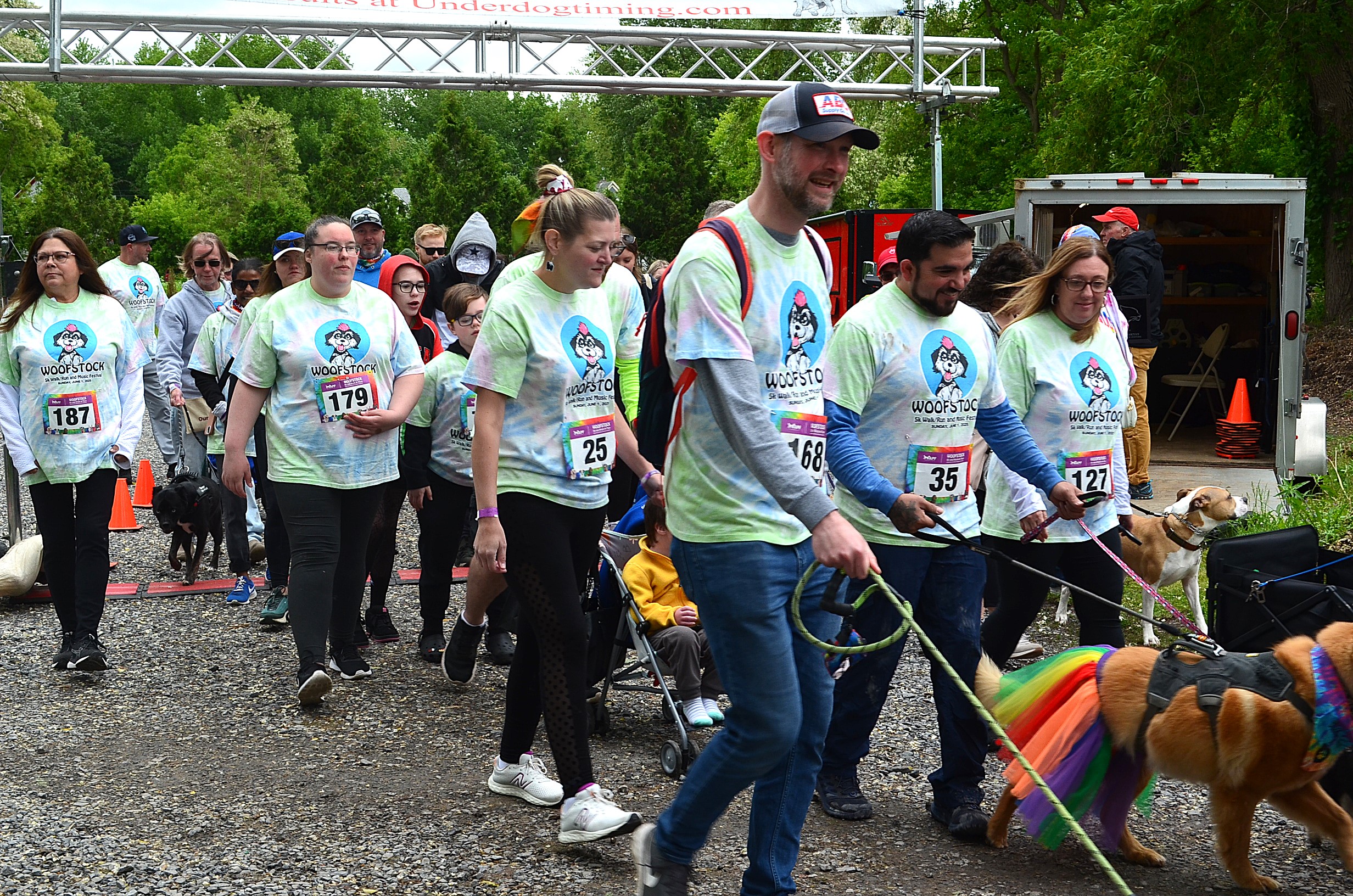
Woofstock 2025 Recap
We are thrilled to share that Woofstock raised over $50,000 to support the Animal Protective Foundation with nearly 600 attendees! Thank you to everyone who joined us and helped make Woofstock such...
Read more
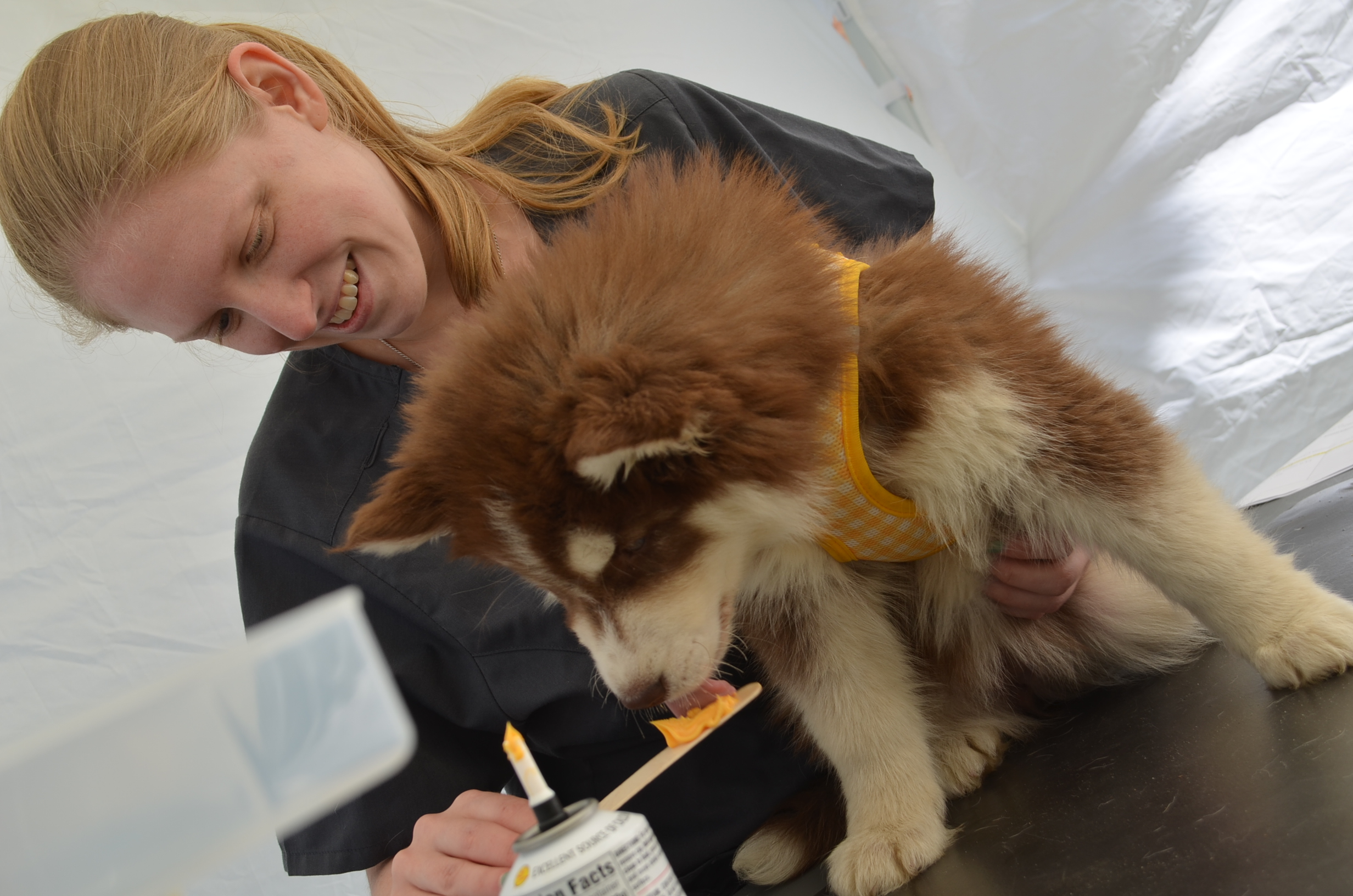
Community Pet Wellness Clinic Recap
Our third free Community Pet Wellness Clinic of 2025 took place last week at the YWCA in Schenectady. We provided care to 63 dogs, which included vaccinations, microchipping and onsite veterinary...
Read more

How to Welcome a New Pet into Your Home
A new pet joining the family is an exciting time! It is important to give your new family member time to get used to your home. To help them feel comfortable, be sure to stick to your regular...
Read more
APF Staff Spotlight: Gina Lamagna, Director of Human Resources and Administration
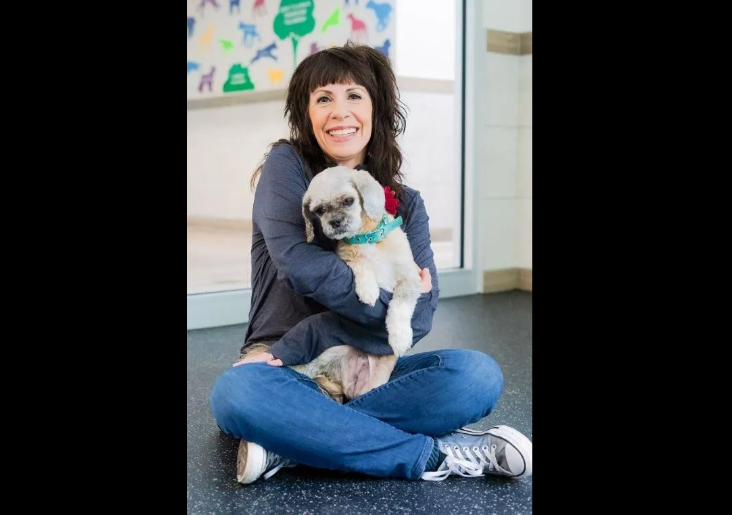
Meet Gina Lamagna, Director of Human Resources and Administration at the Animal Protective Foundation. Gina has been with the APF for 5 years and we are so grateful to have her on our team! Tell us...
Read more
2026 Pet Calendar Photo Contest Results
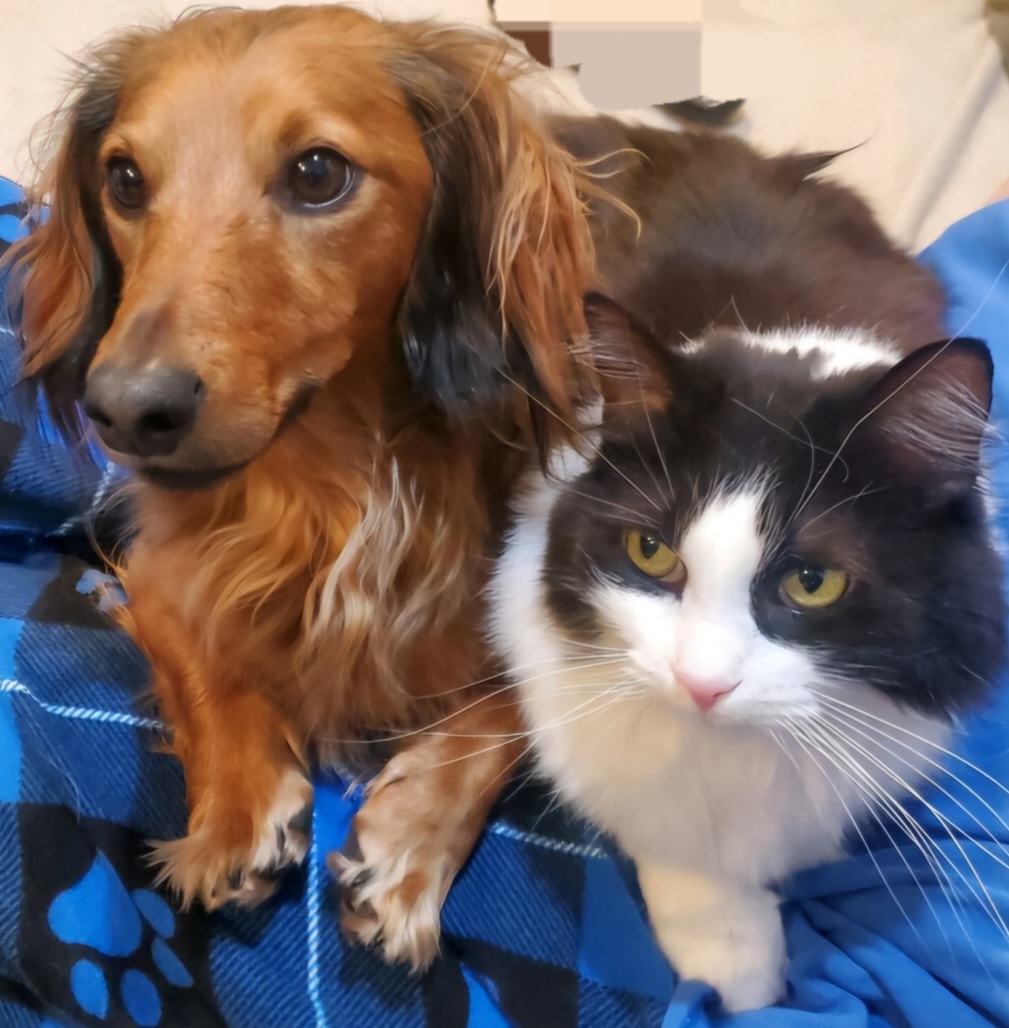
The results are in! The cover winner of our 2026 Pet Calendar Photo Contest is Otto and Ophelia! See the full results here: https://secure.qgiv.com/event/2026petcalendarphotocontest/page/3500872...
Read more
Tick Prevention Tips
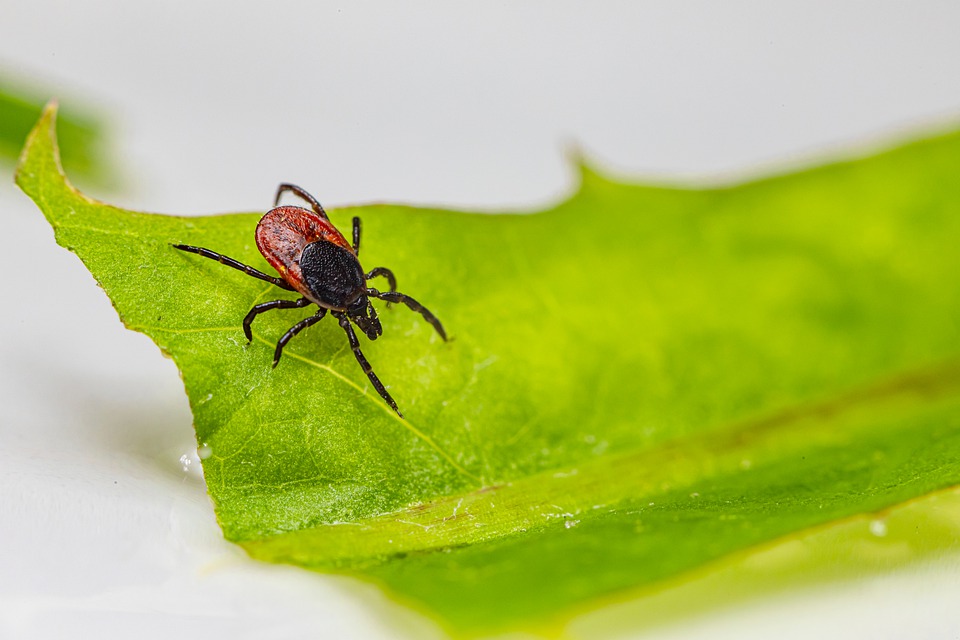
Spring has sprung! Warmer weather is great for playing in the yard, longer walks, and going on adventures. But it also means increased tick activity. While you enjoy spring with your pets, keep the...
Read more
APF Staff Spotlight: Stephanie Johnson, Chief Operating Officer
Read more
Community Pet Wellness Clinic Recap
Our second free Community Pet Wellness Clinic of 2025 took place last week at Lisha's Kill Reformed Church in Schenectady. We provided care to 74 cats, which included vaccinations, microchipping...
Read more
Why We Love Pitties!
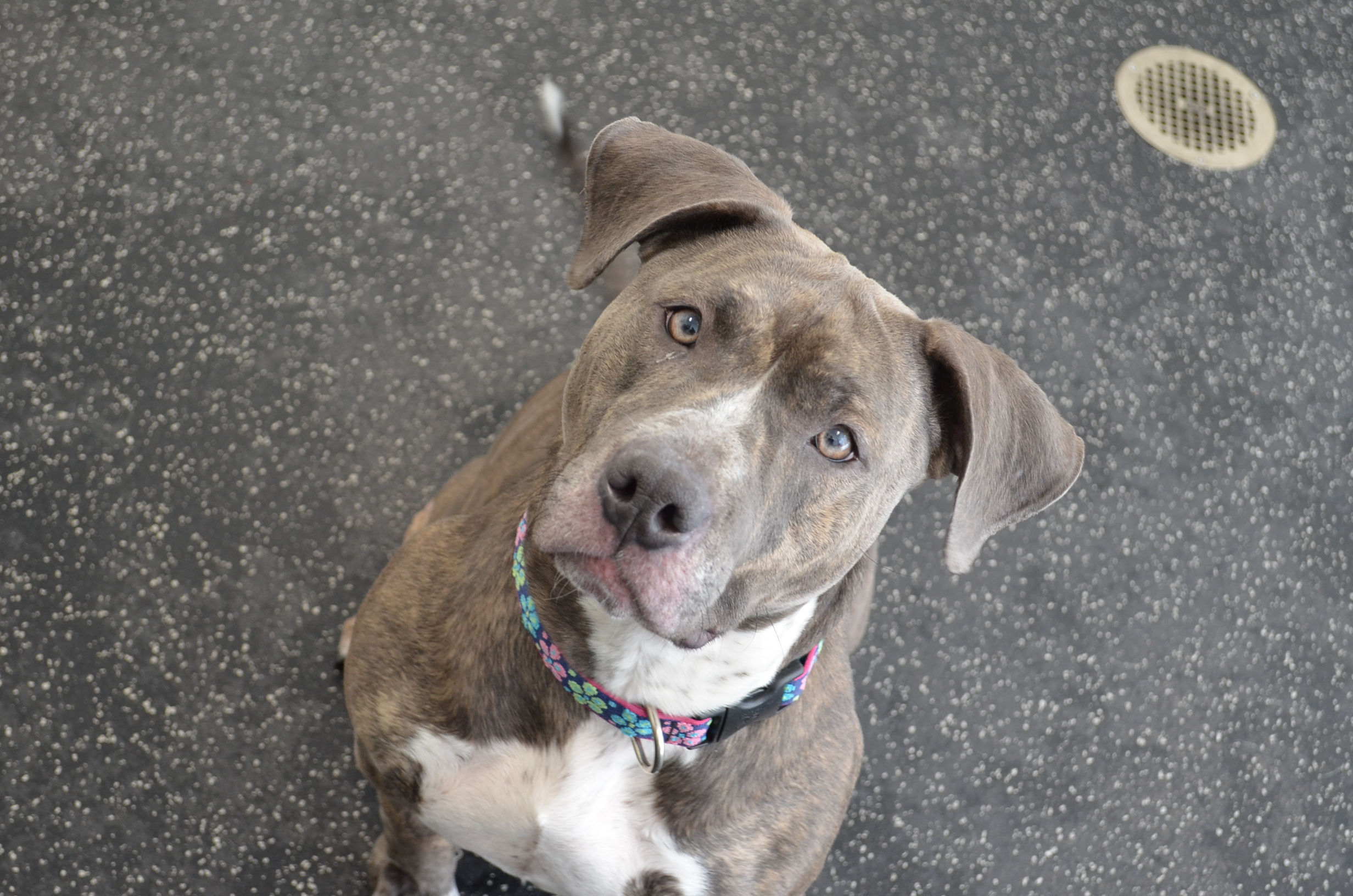
It’s true, we absolutely adore pit bulls here at the Animal Protective Foundation! There is often a stigma around pit bulls, but the truth is they are among the most loveable dogs in the world....
Read more
Community Pet Wellness Clinic Recap
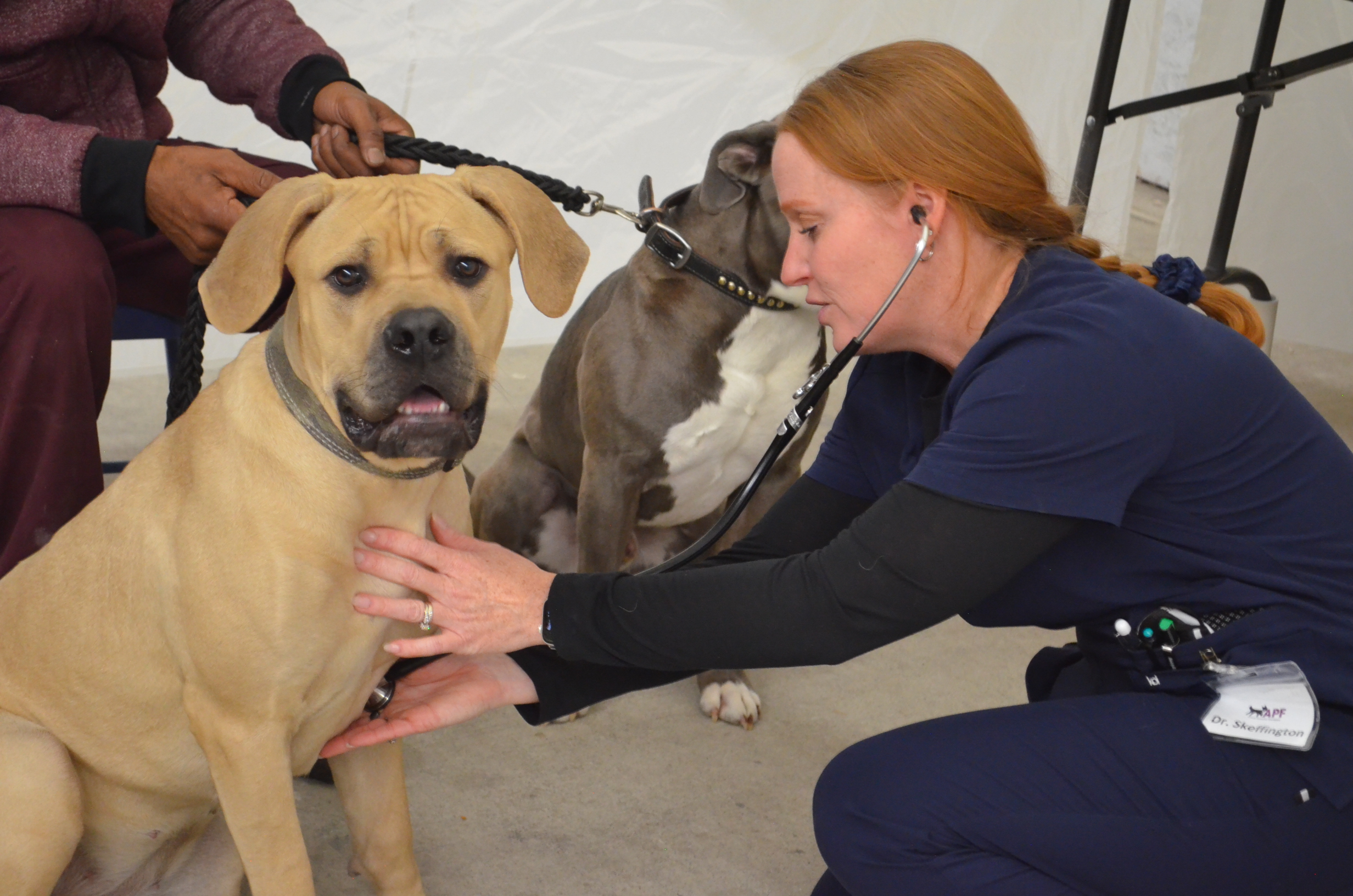
Our first of many free Community Pet Wellness Clinics kicked off recently at Benson's Pet Center in Rotterdam. We provided care to 88 dogs, which included vaccinations, microchipping and onsite...
Read more

Keeping Pets Safe When Dangerous Winter Weather Arrives
Winter is making its presence known recently as temperatures across the Capital Region have plummeted while snow and ice have blanketed the area. While we remember to keep ourselves, our families,...
Read more

Teaming Up with Bissell Pet Foundation
The APF Team recently stepped up to assist the Bissell Pet Foundation. The Bissell Pet Foundation contacted us about an urgent need for organizations to help take in pets from New Orleans and of...
Read more
Fun Ways Kids Can Make a Difference for Animals
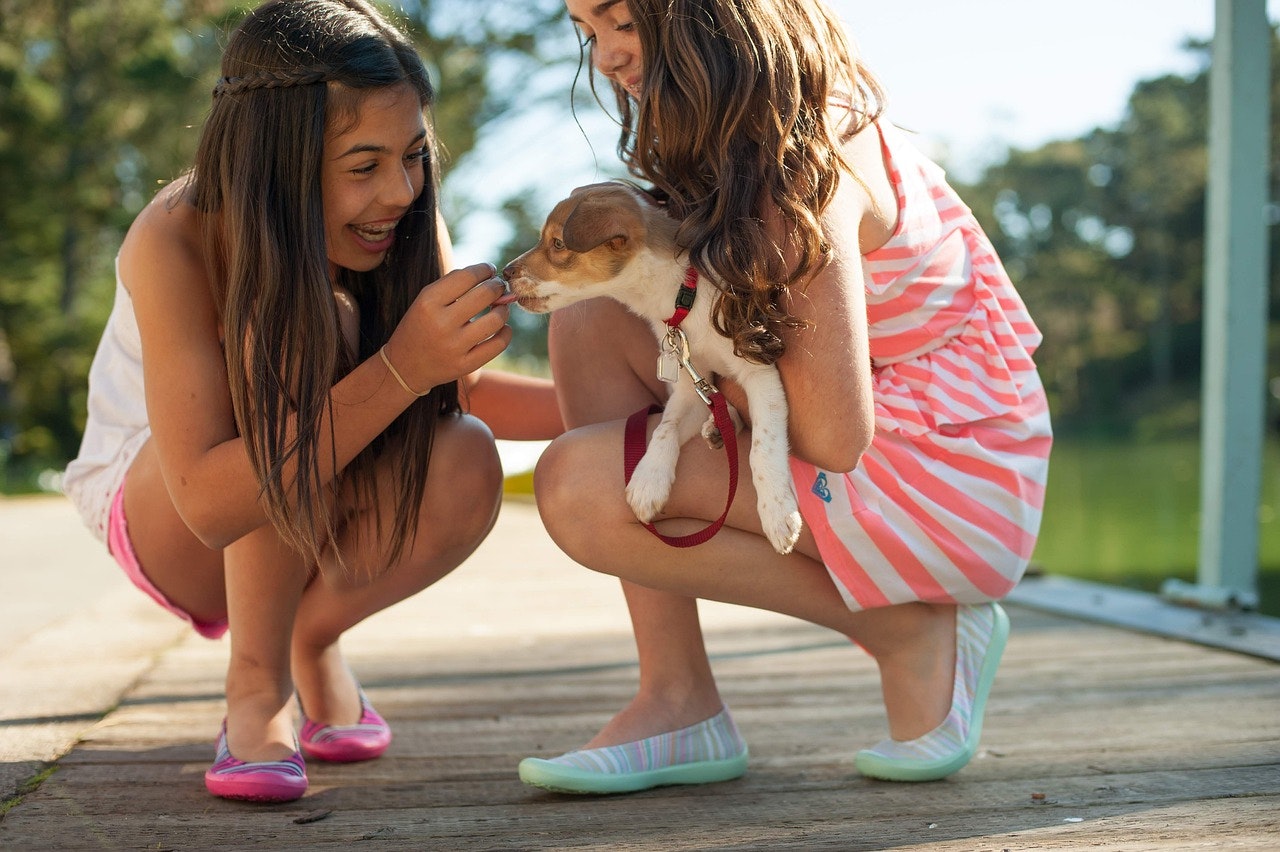
Engaging children in helping animals not only benefits our furry friends but also fosters compassion and responsibility in young minds. Here are some creative ways kids can take action and make a...
Read more
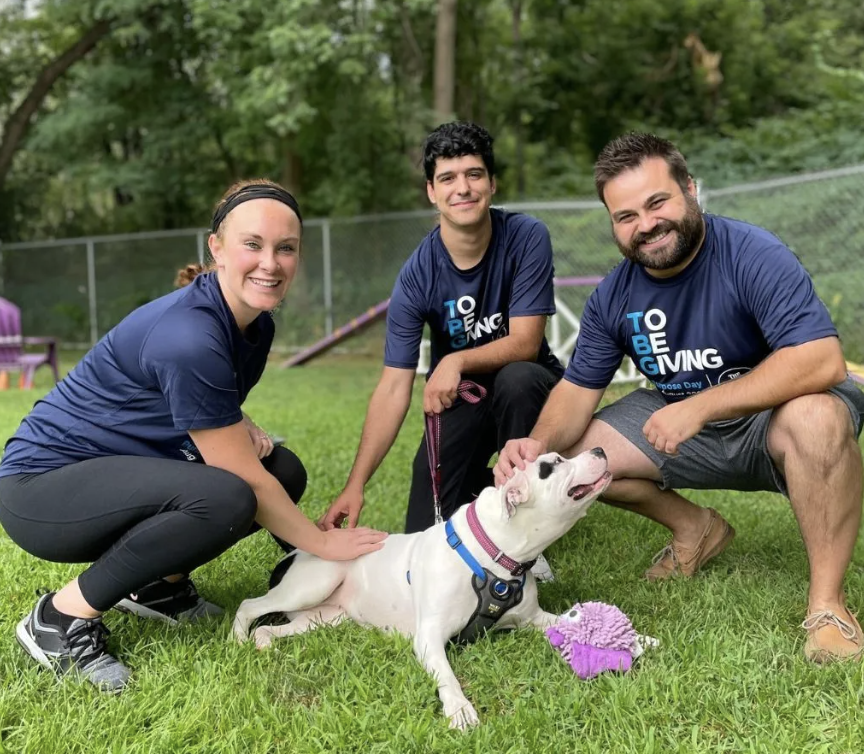
Discover the Joy of Volunteering with the Animal Protective Foundation
Are you an animal lover looking to make a difference in your community? The Animal Protective Foundation (APF) offers an extensive volunteer program that might be the perfect fit for you....
Read more
View more
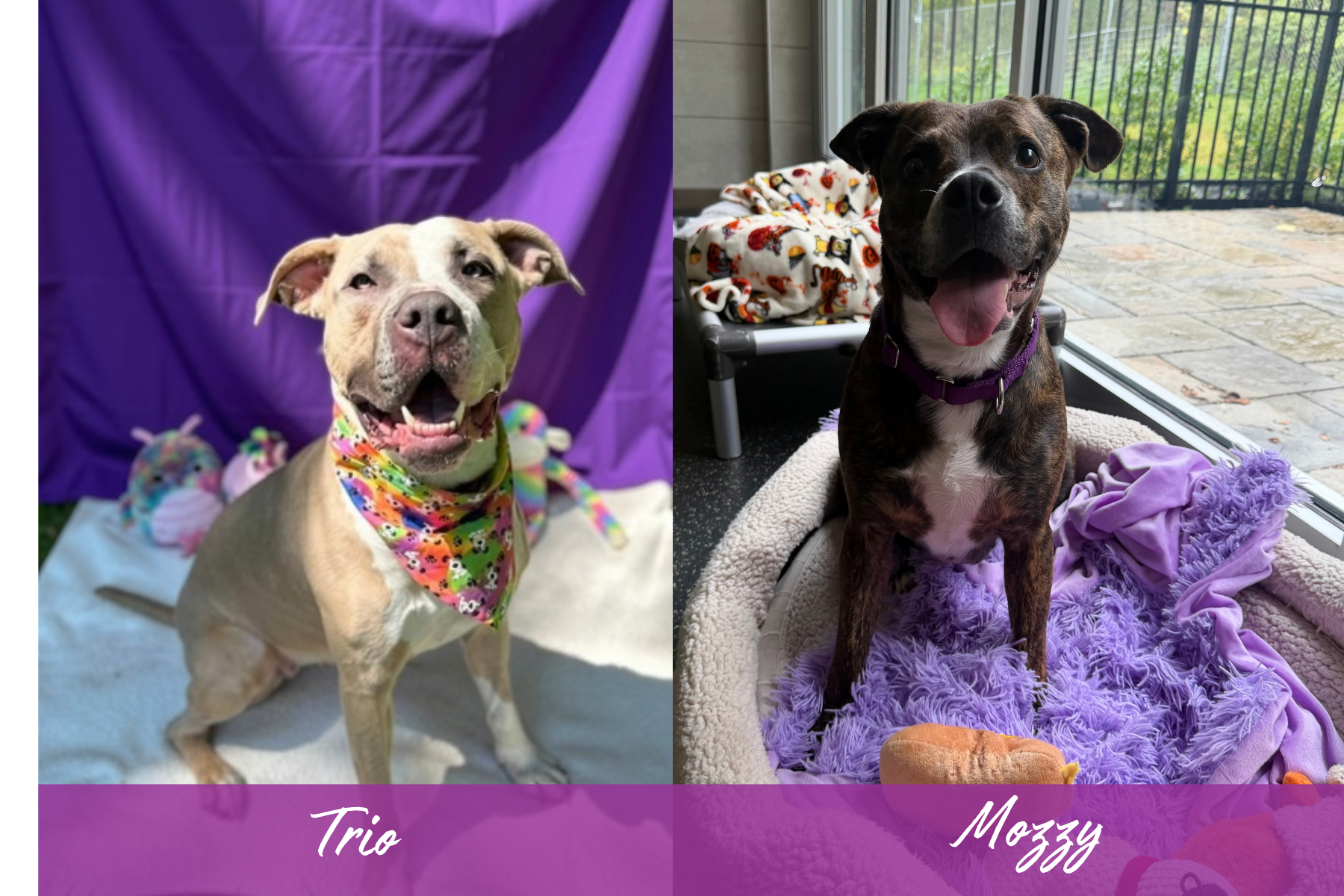
Some dogs find their families quickly. Others wait as days turn into weeks and weeks turn into months. But time spent waiting is no measure of what a dog has to offer. This October, in recognition of Adopt a Shelter Dog Month, the Animal Protective Foundation is inviting our community to get to know the dogs who are still waiting—and consider whether their next companion might be a member of our Lonely Hearts Club. The Lonely Hearts Club highlights animals who have experienced a longer stay at APF. Behind each name and photograph is an individual with favorite activities, a distinct personality, and the potential to build a meaningful bond with the right family. For Trio, that personality shines through in activity and adventure. This five-year-old dog enjoys agility, exploring the woods, and splashing in a pool. She has a playful spirit and would love someone to share life’s adventures with. Mozzy, a six-year-old terrier mix, has her own idea of a good day: a game of fetch, a favorite toy, and time with her people. She is crate trained and knows commands, bringing both skills and personality to her search for a home. For someone who appreciates a dog with an enthusiastic love of toys, Mozzy is worth getting to know. Both are still here. Both deserve the chance to be seen as more than dogs who have waited. There is also happy news from the Lonely Hearts Club: Finnie has been adopted! His adoption is a wonderful reminder that a longer wait can still lead to a new beginning. We hope Trio and Mozzy will soon have their own happy news to share. Finding that connection starts with an open mind. Talk with shelter staff about your daily routine, activity level, and what you hope for in a companion. Getting to know a dog’s needs and personality can help you discover a match you might otherwise have missed. To celebrate Adopt a Shelter Dog Month, APF will offer $100 adoption fees for adult dogs from October 13 through October 17. It is a special opportunity to meet the adult dogs in our care and take a thoughtful step toward welcoming a new family member. If adoption is not possible for you right now, sharing an available dog’s story can still make a difference. Your share could introduce Trio, Mozzy, or another waiting dog to someone ready to meet them. Visit APF during adoption hours, Tuesday through Saturday from noon to 4:15 p.m., or explore available animals at animalprotective.org . They have waited long enough. They are worth getting to know. Meg Thomas is the Marketing and Events Coordinator for the Animal Protective Foundation. APF contributes Animal Chronicles articles and welcomes animal-related questions and stories about the people and animals in our community. Visit animalprotective.org, follow us on social media @AnimalProtectiveFoundation or email chronicles@animalprotective.org.
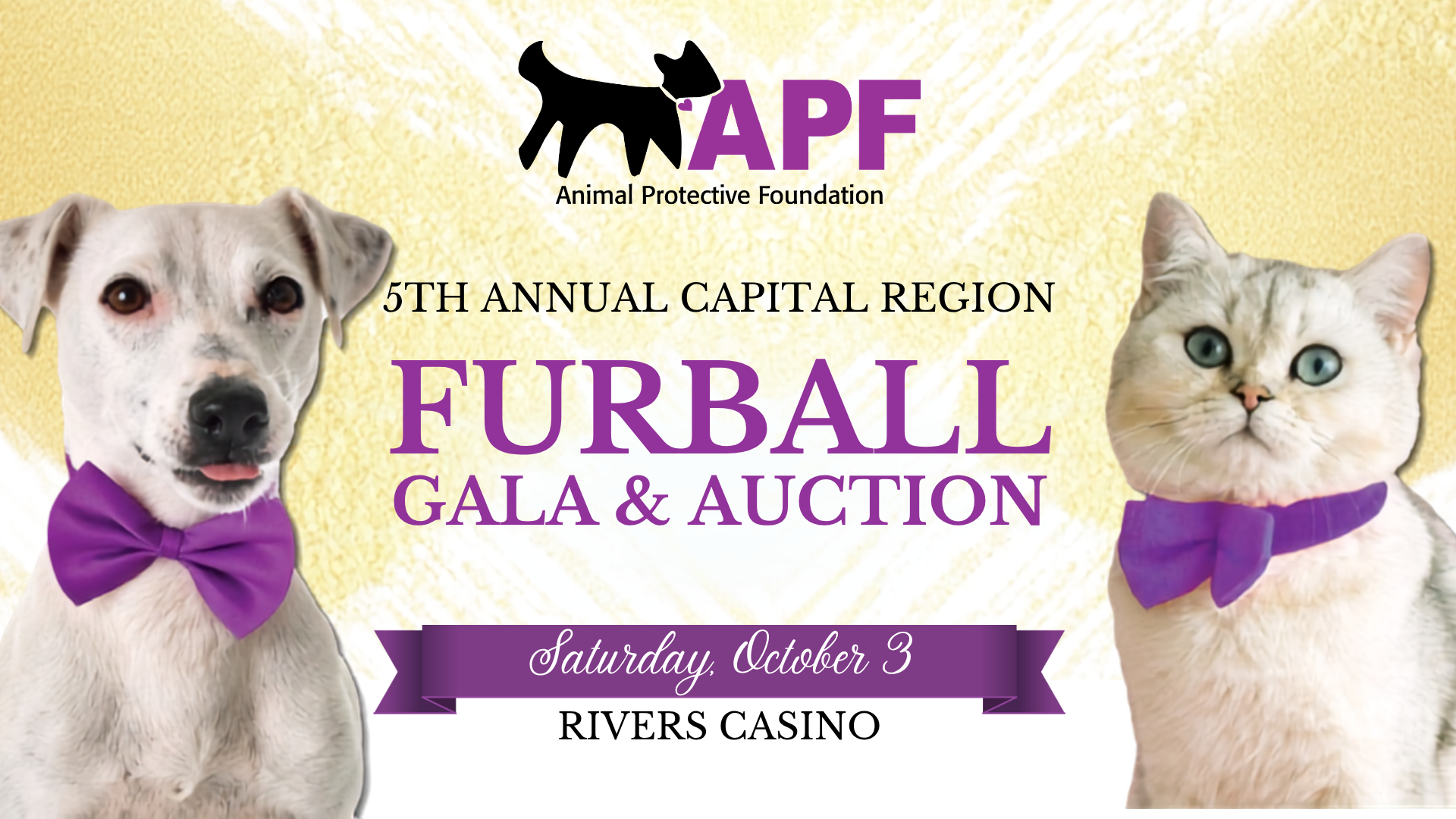
Every day at the Animal Protective Foundation, animals arrive needing something different. Some need a safe place to land while they wait for a new family. Others need medical care, patience or simply time to learn that they are safe. And beyond the animals in our shelter, the APF serves the Capital Region through programs such as low-cost spay and neuter services, wellness clinics, training and other resources designed to support pets and the people who love them. Making all of that possible takes a community. That is why Fur Ball is so much more than a gala. On Saturday, October 3, supporters of the Animal Protective Foundation will gather at Rivers Casino for our annual Fur Ball. It is an evening of celebration, great food, entertainment and live and silent auctions, but behind all of the excitement is a much greater purpose: supporting the animals and people who depend on the APF throughout the year. One Night with an Impact That Lasts All Year Animal welfare has changed tremendously over the years. Today, helping animals isn't only about finding homes for those in shelters. It is also about creating programs and resources that strengthen the bond between pets and the people who love them. At the APF, that means providing shelter, medical care and enrichment for animals awaiting adoption, offering low-cost spay and neuter services and wellness clinics, providing training opportunities, and continuing to find ways to meet the changing needs of animals and pet owners in our community. Fur Ball helps make that work possible. Every ticket purchased, auction item bid on, sponsorship and donation contributes to the APF's ability to continue serving our community. The impact reaches far beyond the walls of our shelter. It reaches the adopter meeting their new best friend, the animal who needs medical treatment before going home, the pet owner accessing low-cost spay or neuter services, and the families taking advantage of programs and resources available through the APF. “Each year, I have had the privilege of seeing the Fur Ball grow, not just as an event, but as a reflection of how many people in our community believe in the work of the APF,” said Samantha Yagy, Development and Events Manager. “I truly enjoy hearing all of the reasons why people choose to support the APF, whether it’s because they adopted their pet through us, they want to give back to an organization that is making an impact in their own community, or simply because they have a true passion for animals. The Fur Ball is always an incredible night, but what makes it so special is knowing that the support we receive goes so much further than that one evening. It allows us to continue caring for animals while simultaneously providing important programs and resources to pets and families throughout the Capital Region. You leave this event knowing that you truly made a difference. Seeing our community come together for the APF year after year is a really special reminder of what we can accomplish when we work together.” The Capital Region Makes This Work Possible For 95 years, the APF has been part of the Capital Region, and generations of local families have been part of our story. While this milestone year gives us plenty to celebrate, Fur Ball is also about looking forward. The needs of animals and pet owners continue to evolve, and the APF must evolve with them. Events like Fur Ball bring together people who believe that animals deserve compassion, families deserve support and our community is stronger when we work together. You don't have to work in animal welfare to make a difference in it. Sometimes making a difference looks like adopting. Sometimes it's volunteering, fostering or donating supplies. And sometimes, it looks like getting dressed up, gathering with friends and spending an evening celebrating a cause you believe in. On October 3, that's exactly what we'll do. When you join us for Fur Ball, you're not simply attending a gala. You're helping the APF continue showing up for animals and families across the Capital Region, today and throughout the year ahead. Because behind every celebration at Fur Ball are animals, families and second chances worth celebrating.

For 95 years, the Animal Protective Foundation has been giving animals something incredibly powerful: a second chance. Founded on August 27 th ,1931, the APF began as a small shelter with a simple purpose: to protect animals in need. In the decades since, our organization, our community and the field of animal welfare itself have changed tremendously. What was once primarily a place of refuge has grown into a comprehensive resource dedicated not only to sheltering animals, but also to veterinary care, adoption, training, education and supporting the bond between people and their pets. Through all that change, however, the heart of our mission has remained remarkably similar. Every animal deserves to be protected. Every animal deserves compassionate care. And every animal deserves the opportunity to find connection. Today, those beliefs are reflected in three principles that guide our work: protect, care and connect. We protect animals by providing a safe place when they have nowhere else to go. Some arrive as strays. Others are surrendered by families who can no longer care for them. Some come to us needing significant medical care, patience or simply time to feel safe again. Whatever brought them through our doors, they are met with compassion and given the opportunity to begin a new chapter. We care for each animal as an individual. That means nutritious meals, veterinary care and a comfortable place to rest, but it also means learning who they are. Our staff and volunteers spend time discovering their personalities, building their confidence, providing enrichment and helping prepare them for life beyond the shelter. And then, we connect. Sometimes that connection is an adoption—the moment a pet meets the person or family who will become their own. But connection reaches beyond adoption. It can mean helping pet owners access services and resources, teaching families and their dogs through the APF Canine Academy, providing preventative veterinary care, or simply being a place the community knows it can turn to when help is needed. Animal welfare in 2026 looks very different than it did in 1931. We know more about animal behavior, veterinary medicine, enrichment and the importance of the human-animal bond. Shelters have evolved and so has the APF. But 95 years of progress have only strengthened the idea that started it all: animals deserve compassion, dignity and a chance at a better life. Over the past 95 years, thousands upon thousands of animals have passed through the APF's doors. Behind every one is a story—and behind those stories are generations of staff members, volunteers, adopters, donors and community members who chose to care. As we celebrate this milestone, we aren't only looking back at how far we've come. We're looking forward to all the second chances still to come. Because after 95 years, there are still animals who need protecting. There are still pets who need caring for. There are still families waiting to make that perfect connection. And the Animal Protective Foundation will continue to be here for them.
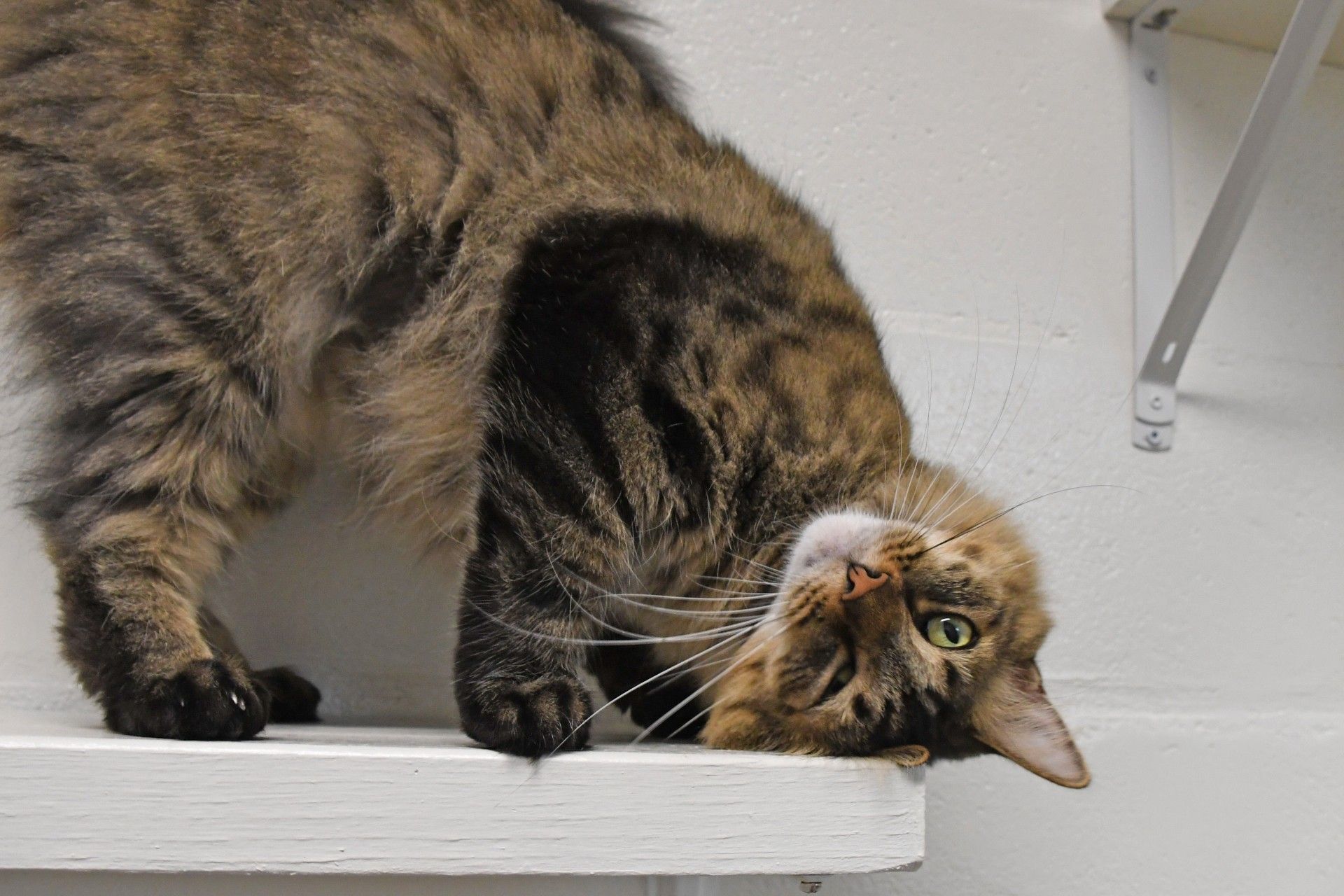
Every summer, animal shelters across the country experience one of their busiest seasons. From litters of kittens arriving during “kitten season” to families facing unexpected life changes that require them to surrender a beloved pet, shelters often see an increase in animals needing care at the same time that adoptions naturally slow down. While the Animal Protective Foundation is fortunate to not be at capacity, we know how quickly that can change. That’s why this time of year is so important. Every adoption, every foster home and every act of community support helps ensure that we’re ready to welcome the next animal that needs us. Animal Protective Foundation's "Clear the Shelters" Campaign | Life & Arts | dailygazette.com
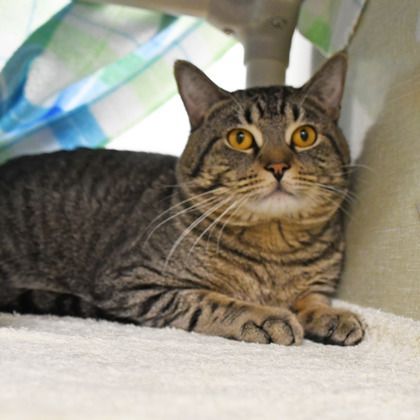
Summer is a great time to enjoy the outdoors with pets, but warmer temperatures can quickly become dangerous. Unlike people, dogs and cats don’t sweat efficiently to cool themselves. Instead, they rely primarily on panting, making them much more vulnerable to overheating and heatstroke. Below is the Daily Gazette Link to Tips and Guidelines to help Beat the Heat and Protect your Pets this Summer! Pet Safety in Summer: Preventing Heatstroke | Life & Arts | dailygazette.com

Summer is a great time to enjoy the outdoors with pets, but warmer temperatures can quickly become dangerous. Unlike people, dogs and cats don’t sweat efficiently to cool themselves. Instead, they rely primarily on panting, making them much more vulnerable to overheating and heatstroke. Below is the Daily Gazette Link to Tips and Guidelines to help Beat the Heat and Protect your Pets this Summer! Pet Safety in Summer: Preventing Heatstroke | Life & Arts | dailygazette.com

For many people, fireworks are a fun way to celebrate summer holidays. For our pets, however, the loud noises, bright flashes and unexpected sounds can be frightening and overwhelming. Every year animal shelters across the country see an increase in lost pets around holidays that involve fireworks. Even calm, well-adjusted animals can panic when startled and might try to escape through doors, windows or fences, or bolt from their leashes. Keep pets safe during fireworks season -- Animal Chronicles | Life & Arts | dailygazette.com

June is Adopt a Shelter Cat Month, a time to celebrate the wonderful cats waiting in shelters for loving homes. While kittens often steal the spotlight with their tiny, biscuit-making paws and playful antics, cats of all ages have something special to offer — and they all deserve a chance to be seen. Animal Chronicles : Cats of all ages deserve the spotlight | Life & Arts | dailygazette.com
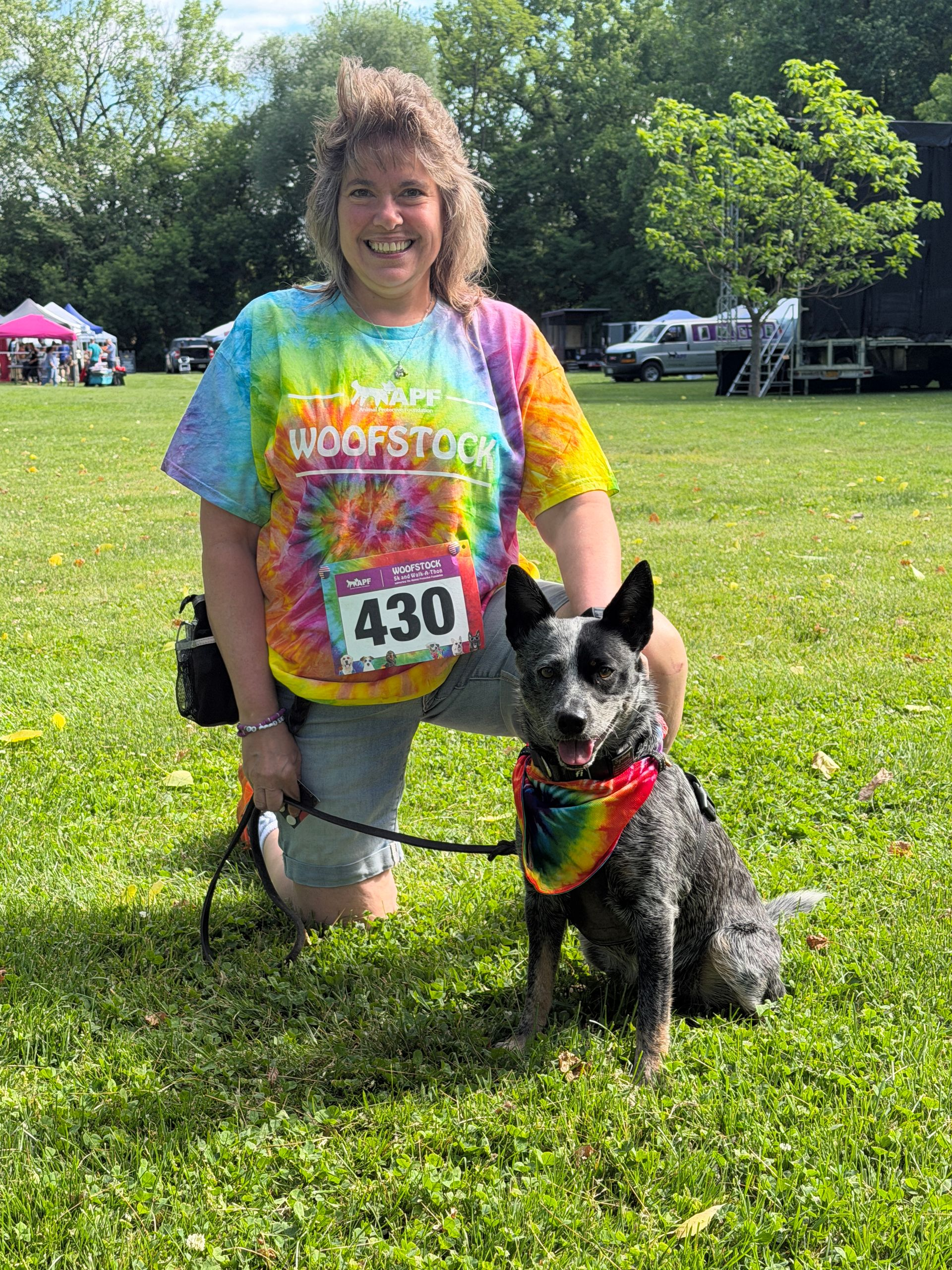
The countdown is on—Woofstock is Sunday! On June 7, Collins Park in Scotia will transform the Lions Pavillion into a celebration of pets, people, and community. From 10 a.m. - 4 p.m., the Animal Protective Foundation will host its fifth annual Woofstock Music Festival and 5K. Animal Chronicles – celebrate Woofstock | Life & Arts | dailygazette.com
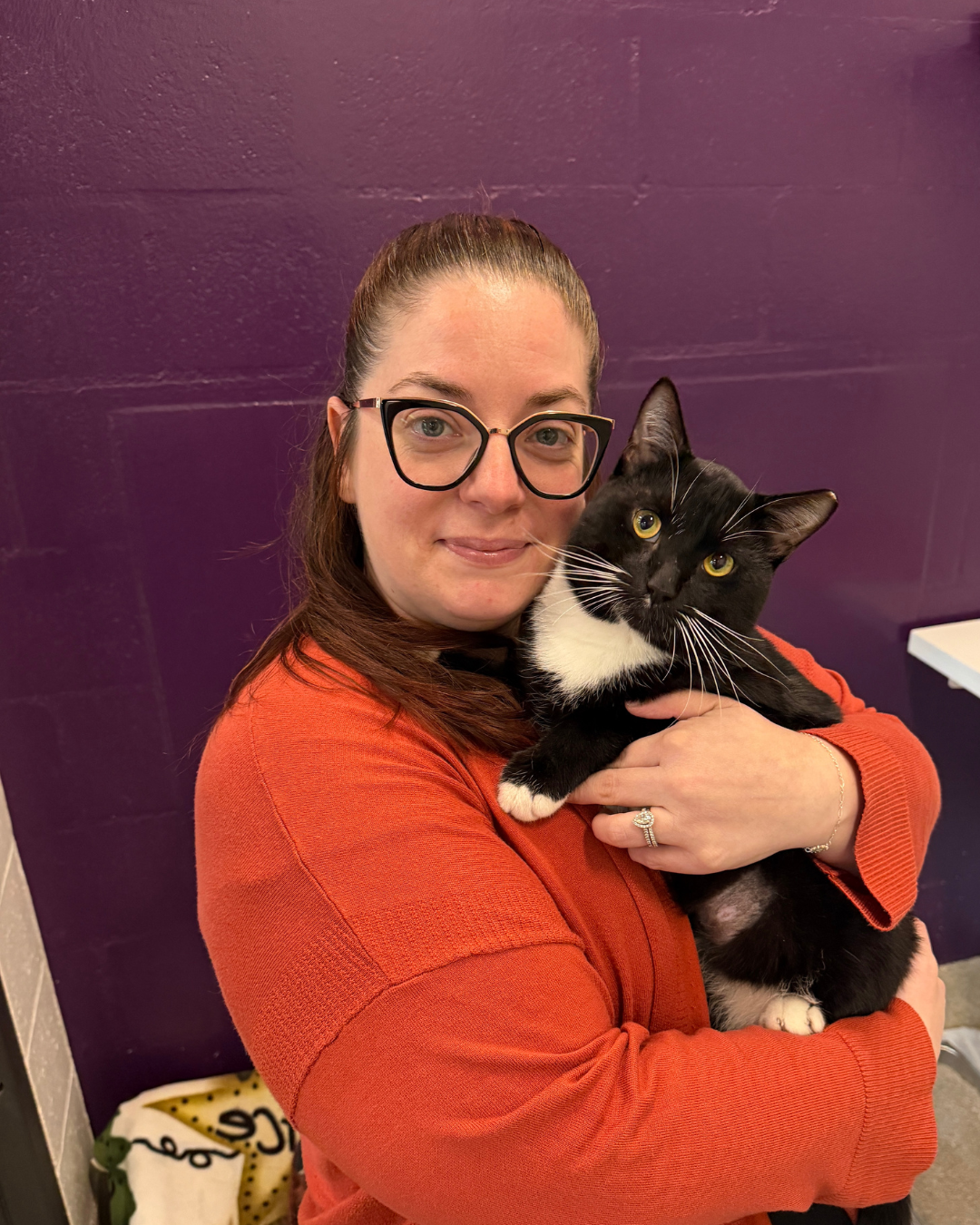
As the weather warms and community events begin filling the calendar, many pet owners look forward to bringing their dogs along for the fun. From outdoor festivals and farmers markets’ to charity walks and dog-friendly celebrations such as the Animal Protective Foundation’s Woofstock, public events can be a wonderful way to spend time with your pet while enjoying the season together. However, not every dog is suited for busy social settings — and that’s OK. Is your pet ready for a public event? -- Animal Chronicles | Pets | dailygazette.com